The last hurdle: Helping your psychology students reach the finish line with their research project
Guest post by Deborah Earnshaw, Samuel Parker and Charlotte Brookfield
In the next few weeks and months, students will be completing final year research projects as part of their degree programme. For many, this is a highly weighted assessment and the longest piece of academic writing they have undertaken to date. These projects are not only substantial in length; they are also deeply personal. Students often invest significant time, care and enthusiasm into topics that reflect their interests, career aspirations or favourite areas of study. As a result, the final stages of the research process are often accompanied by a mix of anticipation, relief and anxiety about “letting go” of something they have worked on for so long. What does this mean for supervisors, and how can you best support students in overcoming this final hurdle?
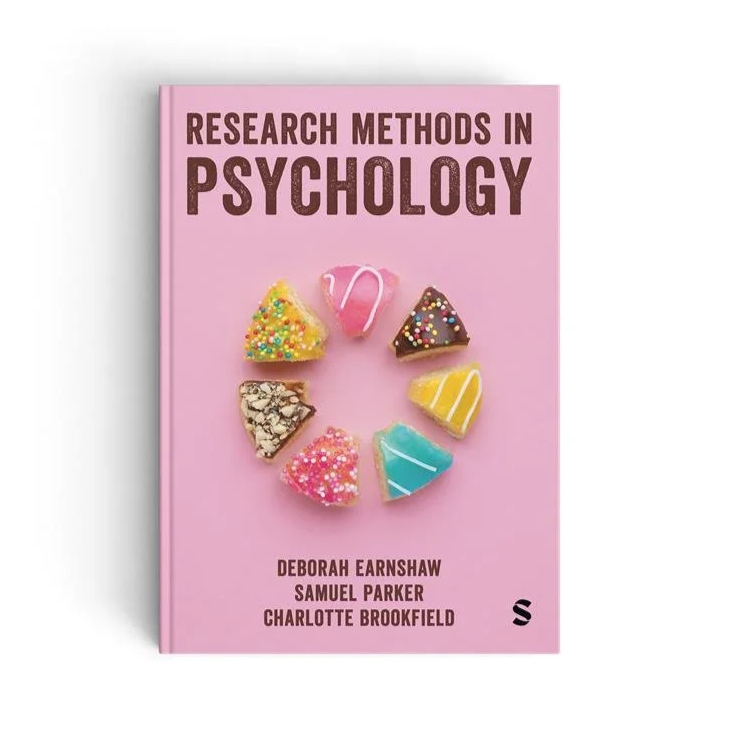
This advice has been curated to accompany our book, Research Methods in Psychology: An Essential Guide, where you can find more guidance for each stage of the research process.
Agree a writing schedule and set deadlines
At this stage, students can easily feel overwhelmed by the volume of work still to be completed. Working together to agree a realistic writing schedule can help restore a sense of structure and control. When developing the schedule, be mindful of other assessment deadlines and key personal commitments. It is often helpful to work backwards from the final submission date and, depending on whether you are able to read a draft of some or all of the report, to identify when they should submit any drafts and when feedback on these will be returned. We recommend ensuring students have at least one week before the final deadline to implement your last round of feedback. Building in this buffer can significantly reduce last-minute stress and improve the overall quality of the final submission.
Encourage students to look at examples
We encourage final year students to look at published research and previous students’ reports as examples to help them along, and so that they can visualise what a finished report should look like. At this final stage it is important to consider that students will have different motivations for wanting to use examples. Whereas before they may have been looking at these examples for substantive knowledge and ideas on content, now they are looking at them for writing style, the order of subsections and formatting style. Encourage them to pay attention to factors including how the writer hooks the attention of the reader in the introduction, how the writer ensures that the reader can identify the relevant evidence which provides an answer to each of the research questions posed and the additional content beyond the main chapters such as an abstract and what the purpose of these are.
Allow time to reflect
Strong research projects are those where the student is able to take a step back and think reflexively about what they have done. Encourage your student to review why they chose the topic of their research and their specific method and to consider whether other students would have approached the research in the same way. They should write in their research project how their own experiences, positionality and beliefs have influenced the research process. In these final weeks, when confidence can fluctuate, it is also helpful to remind students of how far they have come. Completing a research project develops resilience, project management, critical thinking and analytical skills; all of which will benefit them in their future careers and further study.
Our book, Research Methods in Psychology: An Essential Guide is an accessible text walking students through the research process. It draws on the experiences of real students who we have supervised to demonstrate the steps needed to successfully complete a research project. Chapters share top tips, activities for students to test their knowledge and understanding as well as questions for them to reflect on whilst they read. Part 4 of the book Finishing off your Research is recommended for students currently approaching the latter stages of their research project.
Join us on June 23rd at 11am BST for a free webinar where we will share more information about our new book and top tips for helping students develop feasible research projects. Register here.