
Mentors-in-Residence
Where practicing researchers share how to make research easier
Find a post

Instructional tips for teaching quantitative data analysis.

In an era of rampant misinformation and disinformation, what research can you trust? Dr. Stephen Gorard offers guidance!

Tips for dealing with missing data from Dr. Stephen Gorard, author of How to Make Sense of Statistics.

Learn more about standard deviation from a paper and presentation from Dr. Stephen Gorard.

How can you use Excel in your data analysis? Charlotte Brookfield explains!
Mentors

Super Quick Skills
Written by experienced Sage study skills and research methods authors Super Quick Skills deliver tried and tested advice.

Monthly Focus
Browse our 2021 themes
Dr. Janet Salmons

Dr. Janet Salmons is a free-range scholar, writer, coach, and artist through Vision2Lead. Her areas of interest include emerging research methods, and teaching and collaborative learning in the digital age.
Janet's most recent books are: What kind of researcher are you? (2021), Reframing and Rethinking Collaboration in Higher Education and Beyond: A Practical Guide for Doctoral Students and Early Career Researchers with Narelle Lemon (2021), Publishing from your Doctoral Research: Create and Use a Publication Strategy with Helen Kara (2020), Learning to Collaborate, Collaborating to Learn (2019), Find the Theory in Your Research (2019), Getting Data Online (2019), and Doing Qualitative Research Online (2016).
Janet serves as the Methods Guru and lead writer here at Sage Research Methods Community. She is an honorary member of the TAA Council of Fellows (2019) and received the Mike Keedy Award (2018) in recognition of enduring service to authors. She lives and works in Boulder, Colorado.

Have a writing project that is languishing? Find practical tips for keeping it alive!

Find an 10-step process for using research cases to teach methods with learning activities for individual students, teams, or small groups. (Or use the approach yourself!)

Get ready for #AcWriMo! Find a checklist that will help you overcome obstacles that keep you from making progress with academic writing.

Ethnography involves the production of highly detailed accounts of how people in a social setting lead their lives, based on systematic and long-term observation of, and discussion with, those within the setting.

How can you create a culture of active learning and inquiry in your classroom?

Dr. Helen Kara and Dr. Janet Salmons discuss their experiences and strategies for planning and writing a new book edition.

Not all research involves words or numbers. Creative, visual, and arts-based methods are being used in new ways, in many fields of study. Find open-access examples in this post.

What is a “scholarly voice” and how do I develop it?

Organize your writing so reviewers understand what you are saying.

In this 2018 interview Dr. Benson Honig discusses ethical research conduct.

Learn how to find and and create reading lists in the SAGE Research Methods database.

Learn about the kinds of multidisciplinary and research-focused articles published in the Business & Society journal.

Qualitative online research methods continue to emerge and evolve. Learn more in this post.

In a new twist to diary and survey methods, researchers are using smartphone applications to collect data. Find an explanation and curated collection of open-access articles in this post.

Is it brilliant or crazy? It can be hard to know whether your new ideas make sense, so ask a trusted colleague for honest feedback. Find an example and tips in this post.

Find tips you can use to build a bridge between familiar methods and the new approaches you want to use in your study.

Tom Chatfield and Janet Salmons discuss critical and creative thinking in this updated post from the archives. Both kinds of thinking are crucial for research, especially when the study uses new methods.

Janet Salmons and Trena Paulus discuss trends in online qualitative research and their new books, Doing Qualitative Research Online and Doing Qualitative Research in a Digital World.

Let’s define “emerging methods” and look at an example.

In this interview one of co-authors of Evaluation: A Systematic Approach discusses evaluative practices.

How can you interview participants online about sensitive topics? Tips from Janet Salmons, author of Doing Qualitative Research Online.

What does Dr. Liebenberg, Editor in Chief of the International Journal of Qualitative Methods, have to say about research relevance?

Is research relevant in today’s changing world?

Should you blog about your research? What types of academic blogs serve what purpose?

Academic blogging- what is it and how can it be a part of your publication strategy?
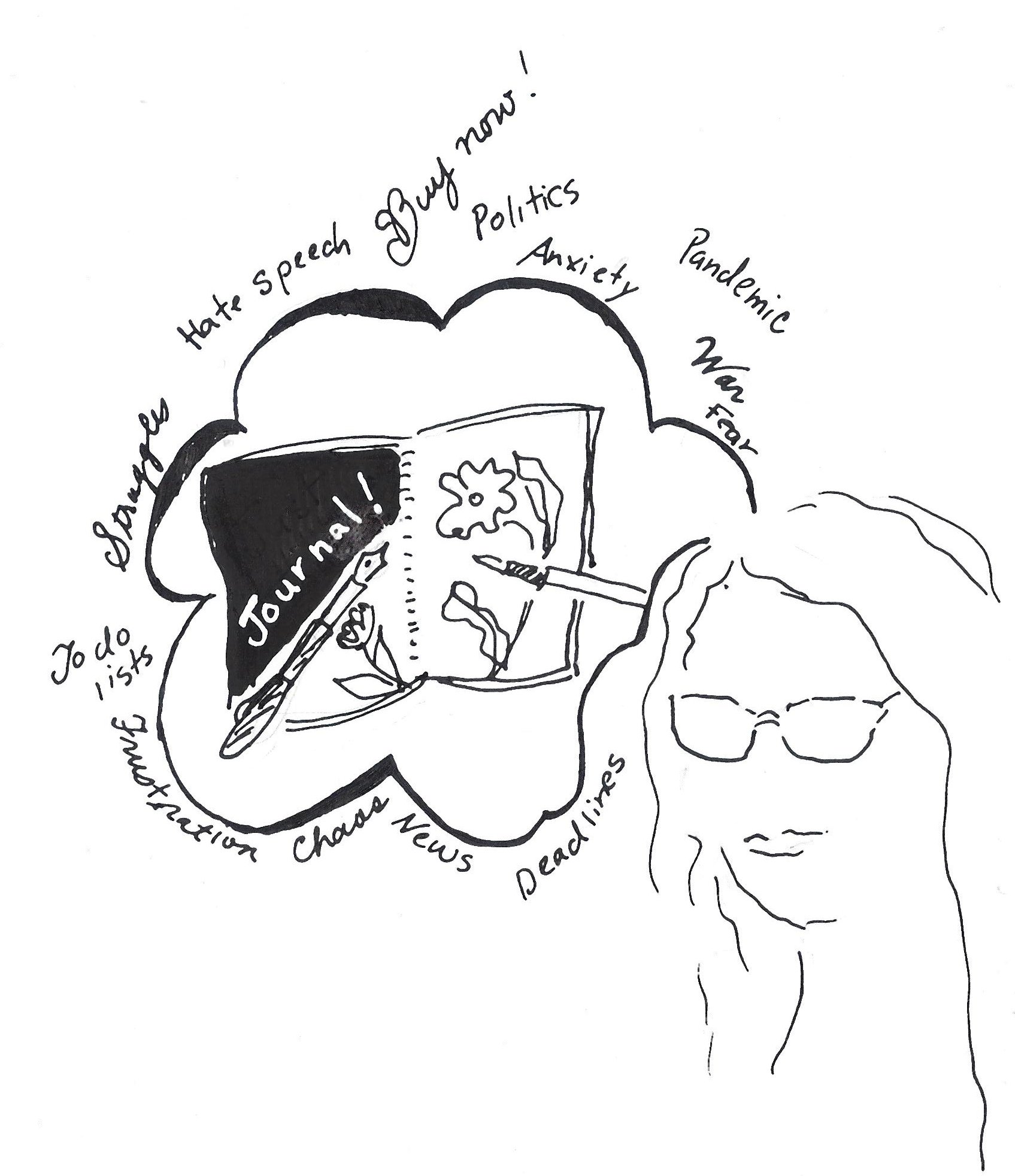
We are discussing visual and engaging ways to communicate research. Sometimes we are communicating with ourselves, with a research journal.

Pause. Take a walk. Listen to your muse. Then you will be ready to write!


From the archives, an informative interview with the former editor of Management Learning.
Sharon Ravitch
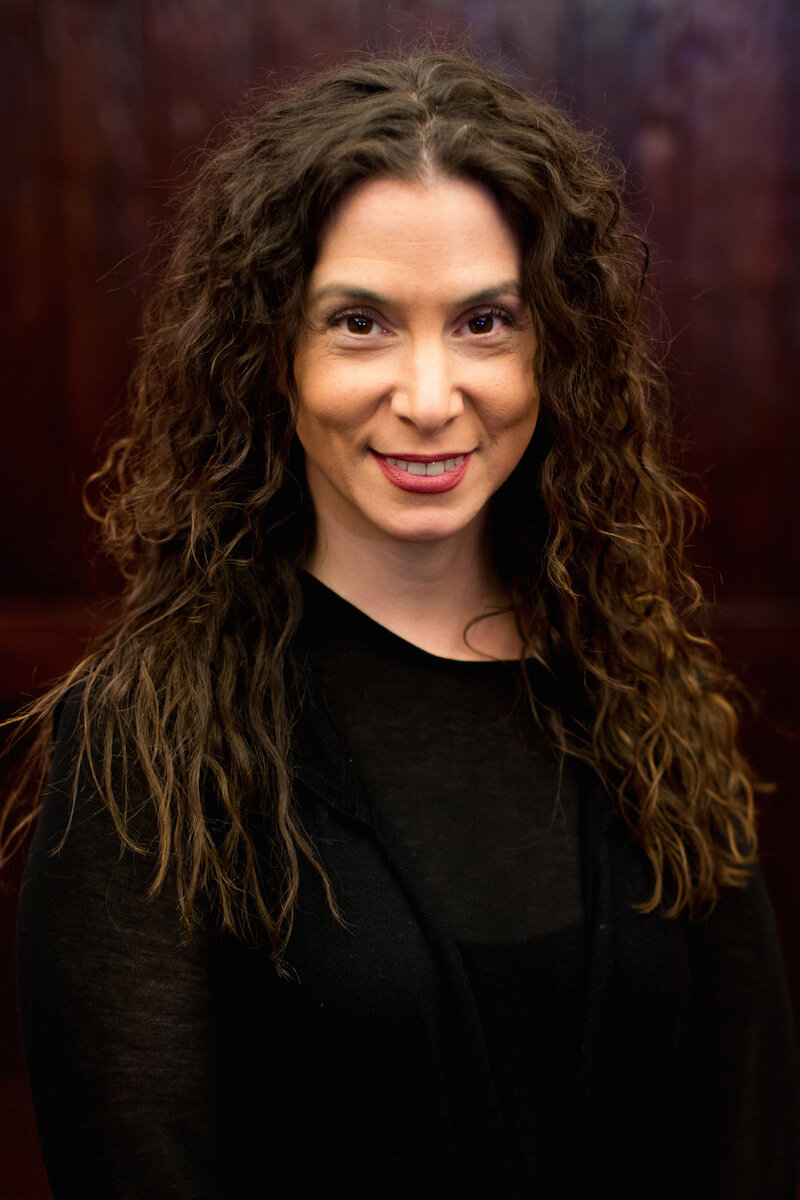
Sharon M. Ravitch is a professor of practice at the University of Pennsylvania’s Graduate School of Education. She engages in numerous applied research projects in India, serving as a visiting scholar at the Tata Institute of Social Sciences (TISS) in Mumbai and working as a co-researcher and key resource expert in policy advocacy, professional development, and community-based participatory research related to corporate social responsibility through TISS’s corporate social responsibility hub.
She is involved in the design and implementation of assessment and evaluation of statewide performance through mixed-methods research in the Ministry of Human Resource Development’s major policy initiative, Rashtriya Uchchatar Shiksha Abhiyan (RUSA), a countrywide reform initiative aimed to resurrect India’s state public university system. Ravitch is also an expert adviser at the Center for Academic Leadership and Education Management at TISS. The center provides professional development and policy advocacy support to school education leaders across India.
Ravitch has published five books: Applied Research for Sustainable Change: A Guide for Education Leaders (with Nicole Carl, 2019); Qualitative Research: Bridging the Conceptual, Theoretical, and Methodological (2nd ed., with Nicole Carl, 2020); Reason and Rigor: How Conceptual Frameworks Guide Research (2012; 2nd ed., with Matthew Riggan, 2016); School Counseling Principles: Diversity and Multiculturalism (2006); and Matters of Interpretation: Reciprocal Transformation in Therapeutic and Developmental Relationships With Youth (with Michael Nakkula, 1998).

Conditions in the world are changing, so researchers need to be responsive to participants. Find a practical, thoughtful post from Dr. Sharon Ravitch.

The rapidly changing nature of organizational life requires that researchers become newly curious about how shifting societal norms and personal conditions shape our research. See this post from Etienne LeGrand and Sharon Ravitch.

Moving from being a practitioner to being a scholar is an adjustment!

Andre Samuels reflects on his experiences as a Black doctoral student and researcher at the University of Pennsylvania.

Researchers studying the experiences of youth can benefit from their perspectives. This post from high school students includes their tips for researchers.

Thinking about studying college students, or partnering with student co-researchers. you will find this post by Ari Burstein.

Considerations in research with underrepresented groups along the bias lines of overrepresentation

Simple tips for making your survey or interview welcoming to all.

Methodspace will offer an eclectic mix of guest contributions in a month-long focus: Be courageous: Studying sensitive, political, or hot-button issues.

10 affirmations for a new semester and a new year.

You’ve read about Critical Race Theory - what are they really talking about?

In this collaborative piece written across two countries during the Covid 19 pandemic, co-authors introduce the concepts of pedagogy of care and the ethics of care.

A year from the beginning of the pandemic, Dr. Ravitch offers "Methods Pedagogy for Practitioners: Supporting Students’ Wisdoms of Practice"

Why does Dr. Sharon Ravitch start a qualitative methods course with a unit on Black Lives Matter?


Dr. Ravitch suggests pedagogical thinking for online teaching and learning in the midst of a crisis.
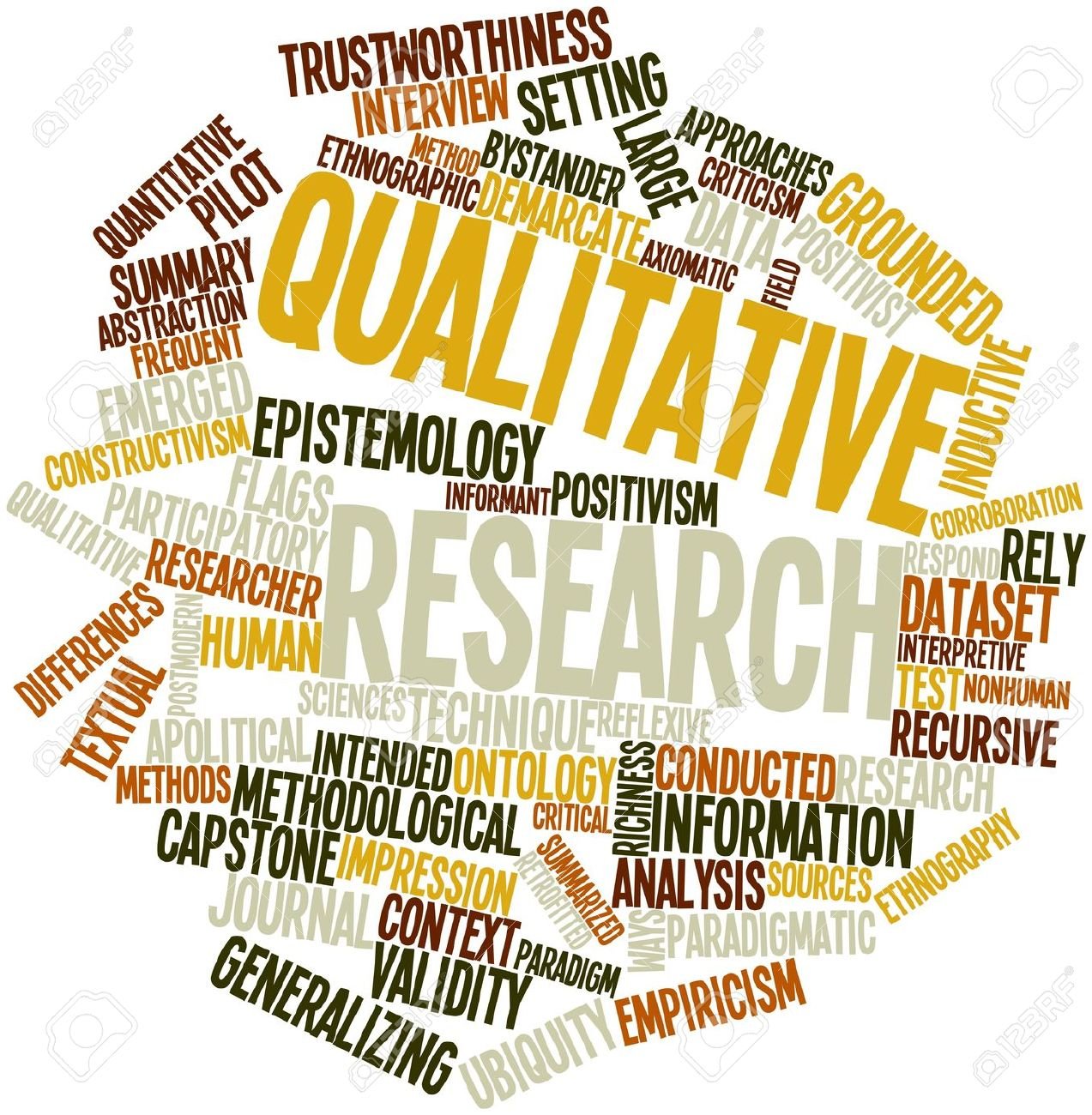
Multimodal qualitative research can make use of visual data beyond simple data visualization.
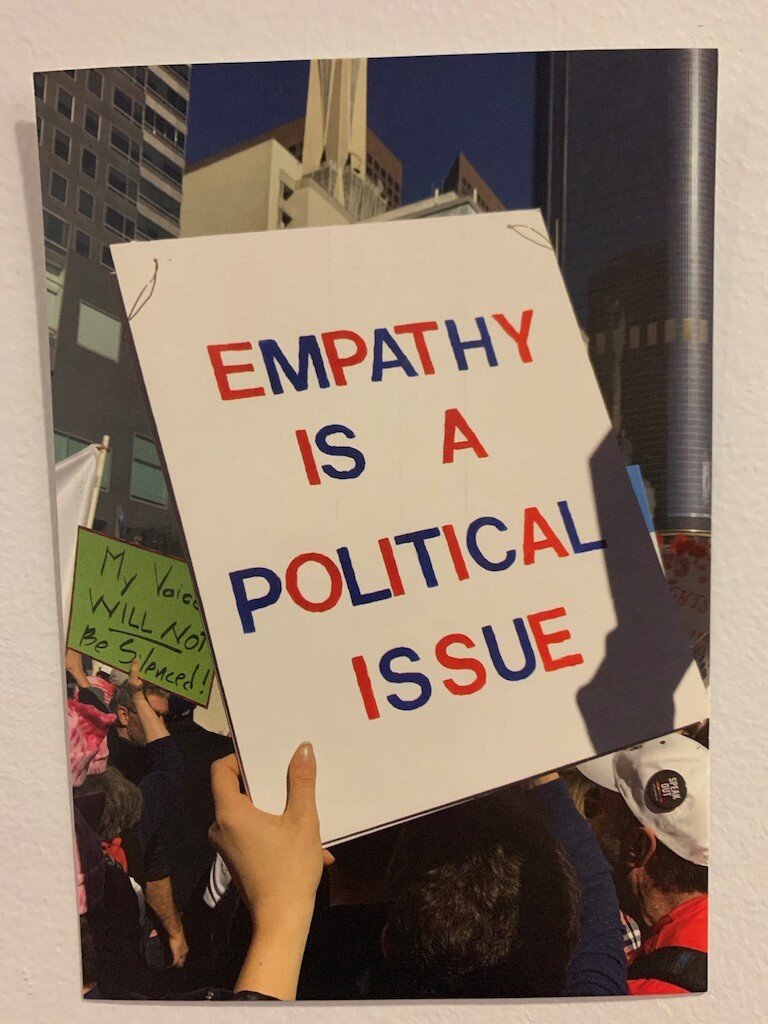
Dr, Ravitch reflects on listening and learning, and meanings for social research.

Stories can reveal otherwise hidden truths. Read about ways that storytelling can enhance research.

Learn about using qualitative data visualization in visual storytelling.

Research plans up in the air thanks to COVID-19? Keep going with ideas from Sharon Ravitch!

What happens between the researcher's question or prompt, and the participant's answer? Read Sharon Ravitch's thoughtful post!

Robert Kozinets

Robert V. Kozinets is a globally recognized expert on social media, marketing, branding and innovation. Besides inventing netnography, he has authored and co-authored over 100 pieces of research on the intersection of technology, media, brands, and consumers.
Robert V. Kozinets has developed social media research methods that are widely used in universities and companies around the world. In 1995, in study of activism and media fan community, he invented netnography. Since that time, he has been refining the approach and applying it to gain a deeper understanding of our current social and communication landscape. Asking questions about technology, commodification, utopia, and desire, his research pushed disciplinary boundaries to open up a more integrative, cultural, moral, and passionate form of studying and theorizing emerging social media ecosystems. He currently holds the Jayne and Hans Hufschmid Chair of Cultural Social Media Research at the University of Southern California's Annenberg School for Communication and Journalism.

These difficult times present challenges for researchers. Find five original posts by Robert Kozinets about using Netnography to study sensitive topics.

Hear Dr. Kozinets discuss the origins and development of Netnography in this interview. See the whole series of posts from Kozinets about collecting data for studies using netnography.

The definitions laid out in the post “What are “Emerging” Methods?” are used as a springboard for discussing open-access articles from the journal, Methodological Innovations.

More from Robert Kozinets about creating an immersion journal for your netnography project .

Read part 3 of a substantive series of posts about netnography from Robert Kozinets.

In part 2, Robert Kozinets continues to give practical suggestions for research with netnography!

What is an immersion journal and why should netnographers keep one?
Dr. Stephen Gorard defines and explains randomness in a research context.