
Find a post
Impact & Society

Methods Film Fest!
We can read what they write, but what do researchers say? What are they thinking about, what are they exploring, what insights do they share about methodologies, methods, and approaches? In 2023 Methodspace produced 32 videos, and you can find them all in this post!

Thinking about new beginnings in a new year? Perhaps it is a time to think abut what makes work meaningful to you, and how those priorities influence career choices. Reflect on these open-access readings about meaningful work.
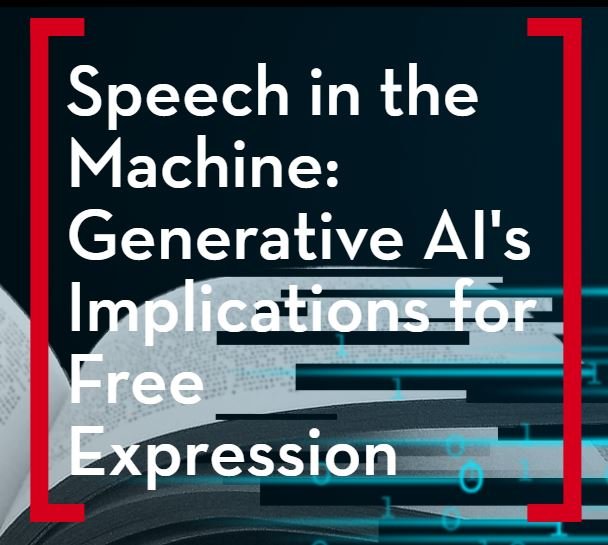
The report from PEN America, Speech in the Machine: Generative AI’s Implications for Free Expression, connects dots that are important to academic writers: intellectual freedom, and protection of intellectual property. Summer Lopez, PEN’s Chief Program Officer for Free Expression agreed to talk about these issues and controversies.

This must-read article in The Scholarly Kitchen caught my attention: “Who Is Going to Make Money from Artificial Intelligence in Scholarly Communications?” See this thought-provoking interview with the author, Joseph Esposito.

Learn about the father of qualitative research, who passed away recently.
Jump to
Concept Grants from Sage 2021
Six new software tools supporting research methods in the social sciences were awarded Concept Grants from Sage.

Independence with Impact Report 2024
Discover how we're advancing disciplines, cultivating critical thinking skills, and driving social change in our latest report.
Sage Methods on X
Conference & Event Roundups


Continuing our series on the Summer Insitute in Computational Social Science, Joshua Becker traces his SICSS journey.
Before I get into this, you should know I’m a network researcher. So even though this is ostensibly about a summer program, it’s also about networking. I almost didn’t participate in the Summer Institute in Computational Social Science, or SICSS as I now know it fondly. At the time, I thought it was just about learning the skills — and I felt I had a solid methods foundation — and mainly just applied because it seemed like the kind of thing I was supposed to do as a grad student. Having never previously seen the gorgeous Princeton campus, I imagined the trip itself as little more than spending two weeks in suburban New Jersey rather than at home with my wife. Luckily, I applied. And luckily, I was accepted. Mileage may vary, but I made out well on the deal.

At the start of 2020 we welcomed Data Justice Lab Co-Founder/Director Lina Dencik to the SAGE Ocean Speaker Series. Dencik is reader at Cardiff University’s School of Journalism, Media and Culture. The Data Justice Lab ‘carry out research that engages with data analytics from a social justice perspective. This includes research that examines the implications of institutional and organizational uses of data as well as research that provides critical responses to potential data harms and misuses’. Watch the talk below to discover past and ongoing projects from the Data Justice Lab.

And talking about gender equality in social data science means talking about the representation of women in tech and attitudes towards women in tech. It means confronting the stubborn prejudices and perceptions that women can’t code or can’t do stats. It means having a discussion about how as this new community of thought and practice is forming, we have a chance to make it look different than the communities that came before. And in particular, it seems vital to challenge ourselves to do so because of the questions social data scientists are asking and the methods they are using - because of the danger of biased algorithms, of reinforcing inequality through policies based on big but dirty data.

The 2nd-4th September 2019 marked the third in a series of symposia on Societal Challenges in Computational Social Science (Euro CSS). Computer scientists, political scientists, sociologists, physicists, mathematicians and psychologists from 24 countries gathered in Zurich for a day of workshops and tutorials followed by a two-day one track conference.
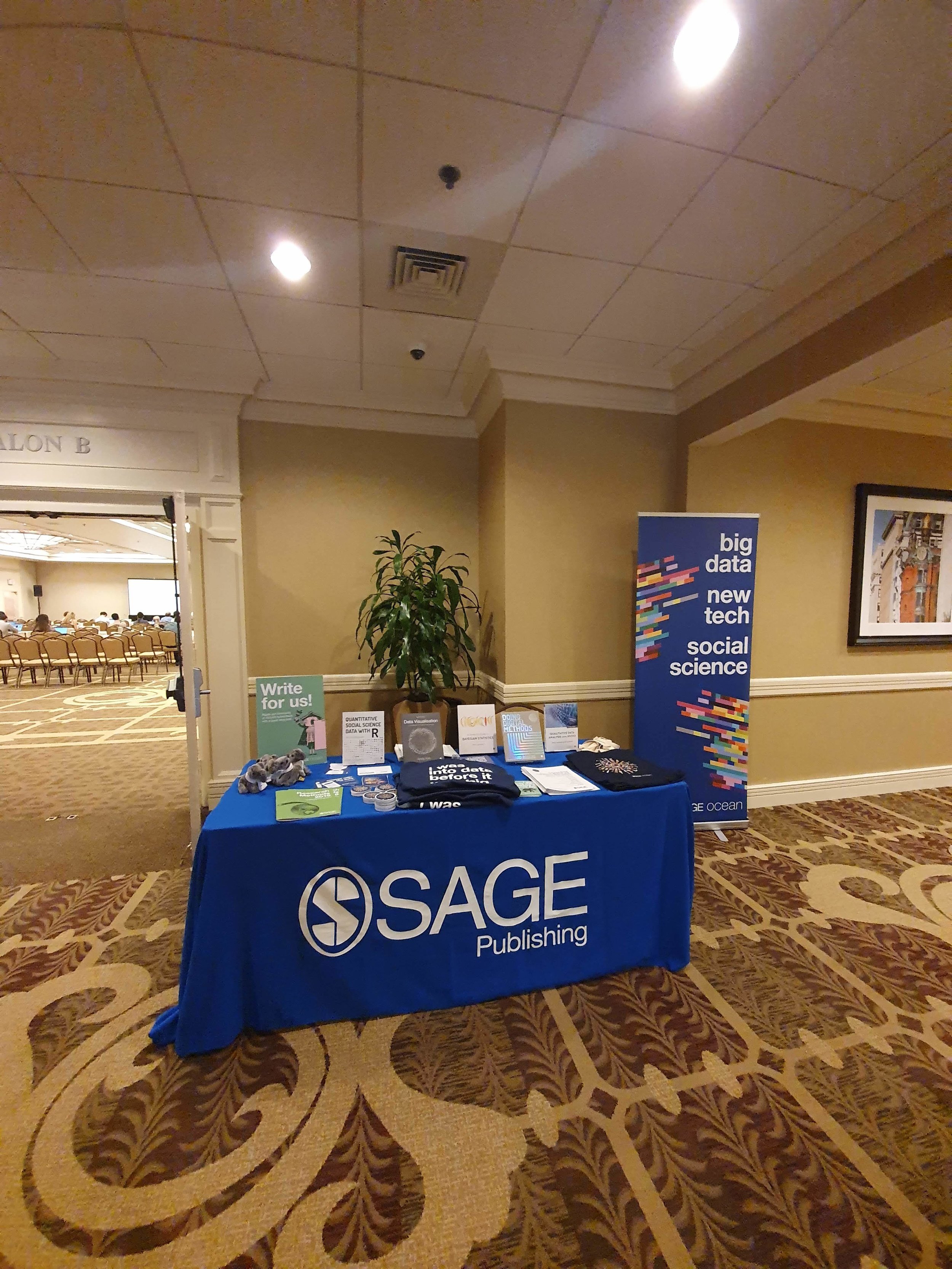
On the 28th of August, we visited sunny Georgetown University to discuss all things politics and Computational Social Science for the second annual PaCSS conference. Here are our highlights.

The baton was passed to the University of Amsterdam for the fifth addition of IC2S2 with the core conference taking place between 18-20 July.

At the end of February we ran a most enthralling event experience. Three panelists, two hosts and about 20 attendees all put their headsets on from their labs, offices and homes to join a virtual classroom decorated with trees, a castle, a slightly scary tiger and a hippo, to talk about the future of VR in social science research.

‘From text to data - new ways of reading’ was a 2-day event organised by the National Library of Sweden, the National Archives and Swe-Clarin. The conference brought together librarians, digital collection curators, and scholars in digital humanities and computational social science to talk about the tools and challenges involved in large scale text collection and analysis.

The second annual Social Science Foo Camp took place at Facebook’s headquarters in Menlo Park at the start of this month, convening an eclectic mix of more than 200 social scientists, technologists, funders, policy makers, businesspeople and writers.

Last week, a mix of PhD students, early career and tenured researchers met in Cologne to discuss their latest projects around bias and discrimination on social media, and the algorithms underpinning many of the most pervasive services we use today.
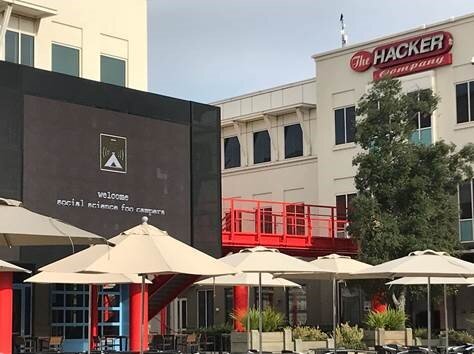
Watch these short videos as leading academics present at this year’s inaugural Social Science Foo Camp discuss the opportunities and challenges presented by big data and the move to more computational methods.

Explore our round-up of the recent event on collective intelligence hosted by Nesta and SAGE Publishing

Mirsad Hadžikadić, President of the Computational Social Science Society of the Americas (CSSSA) kicked off this year’s annual conference in Santa Fe.

In June, I attended the second iteration of the Summer Institute for Computational Social Science (SICSS), an intensive two-week program held at Duke that was intended to bring together researchers from across the social science and data science disciplines to learn and discuss topics in computational social science (CSS). Each day, the organizers Chris Bail and Matt Salganik taught mini-lectures on different CSS topics, we split into groups to work on activities together, and a speaker came in to present their research.

Ahead of this year’s APSA general meeting, we attended the Politics and Computational Social Science (PaCSS) pre-conference, hosted at Northeastern University. The event brought together political scientists working with large-scale data sets and emerging computational methods.

The final day of IC2S2 kicked off with SAGE Ocean's Katie Metzler introducing the Ethics in Computational Social Science Panel, featuring Dr. Jake Metcalf, Dr. Laura Noren and Dr. Michelle Meyer.

Saturday started off with a fascinating keynote from Damon Centola on How Behavior Spreads. He talked about how weak and strong ties affect the spread of both simple and complex

The SAGE Ocean team are currently at IC2S2 - the 4th Annual International Conference on Computational Social Science, which is taking place at the Kellogg School of Management at Northwestern University.
Here's a round up of the action on Friday.

The Economic and Social Research Center hosted the biennial Research Methods Festival at the University of Bath last week.

A good academic conference poster serves a dual purpose: it is both an effective networking tool and a means by which to articulately communicate your research. But many academics fail to produce a truly visually arresting conference poster and so opportunities to garner interest and make connections are lost. Tullio Rossi offers guidance on how to produce an outstanding conference poster, considering the scripting, concept, design, and logistics.
Going to an academic conference is an exciting opportunity to connect with like-minded individuals and exchange stimulating ideas. However, to make the most of a conference requires a lot of hard work before, during, and after the meeting itself. Marta Teperek provides a checklist of things to do at each of these stages.

We were extremely lucky to kick off the first edition of the SAGE Ocean Speaker Series last week with a talk from tech attorney and social media law professor, Kimberly A. Houser.

The first ever Social Science Foo Camp took place earlier this month, co-hosted by SAGE, O’Reilly Media and Facebook.
Diversity, Equity, & Inclusion

Deaf scholars are flipping the script in academic publishing—highlighting the power of signed languages, challenging outdated views, and creating space for real representation through the Society of American Sign Language Journal.

Access new webinar on conducting research with historically marginalized communities, featuring Dr. Shotonda S. Jones (St. Bonaventure University) and Dr. Shantoyia (Toy) Jones (Xavier University of Louisiana).

Decolonizing research methods means rethinking how we look at participants and problems. In the digital world there are even more ways the European West exerts cultural, economic, and political control. At the same time, the digital world allows researchers to conduct studies across the distances.

Co-authors share about a topic of decolonial research, privilege, and ethics. They write this piece in two parts, narrating their understanding of the experience and how it relates to power hierarchies and researcher responsibility.

Chart research directions that take you to the roots of the problem. Learn more in this guest post from Dr. Donna Mertens.

These difficult times present challenges for researchers. Find five original posts by Robert Kozinets about using Netnography to study sensitive topics.

Read this collection of multidisciplinary articles to explore epistemological questions in Indigenous research.
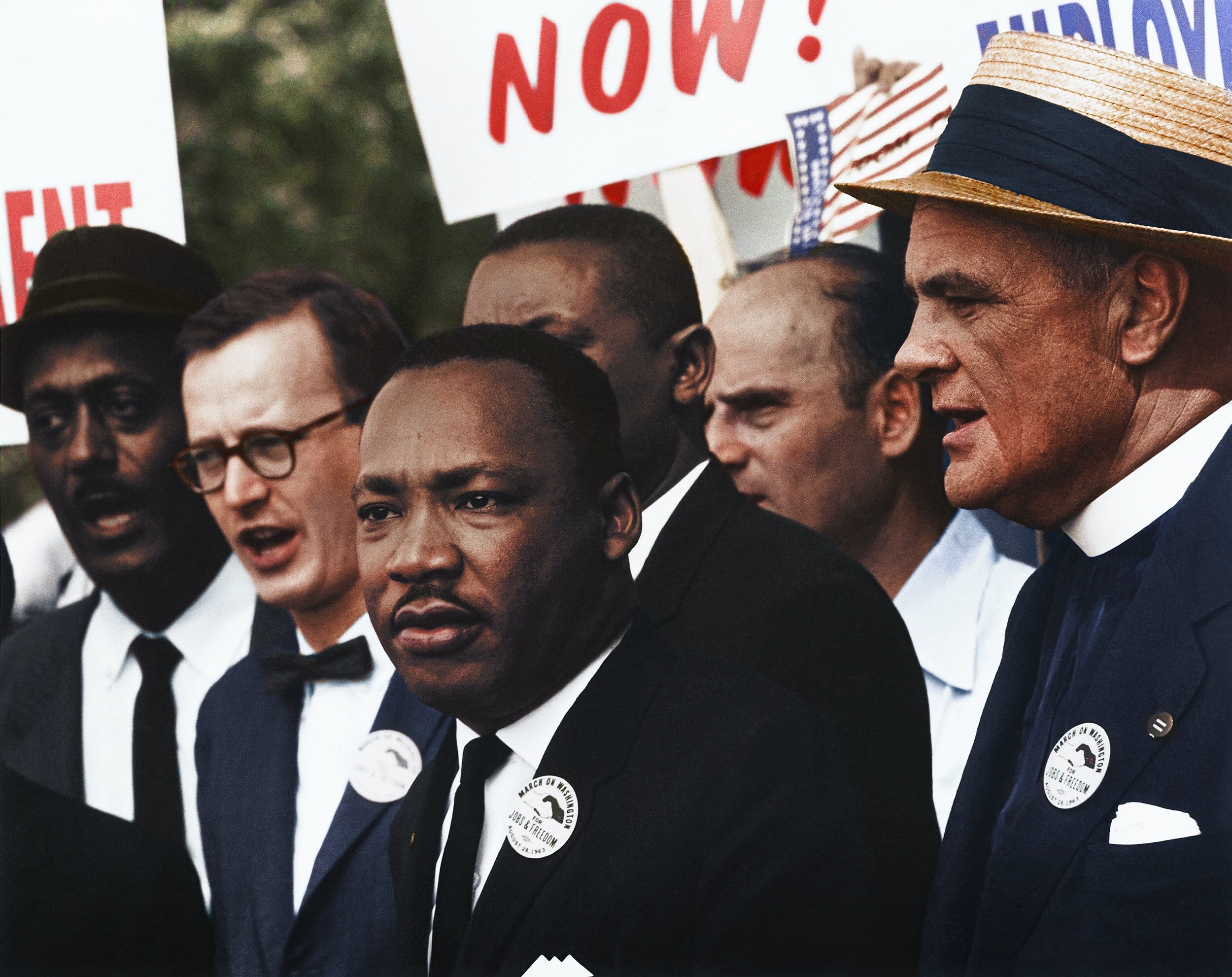
This year we need to honor Martin Luther King's legacy with both reflection and action! In this post, find links to lots of original source materials, including documents and recordings.

Caroline Lenette offered a keynote address at the International Creative Research Methods conference, September 2023. See the address and learn about the 2024 conference here.

Safary Wa-Mbaleka, Arceli Rosario, and Anna Cohen Miller discussed opportunities and challenges for global researchers and academic writers in this roundtable discussion.
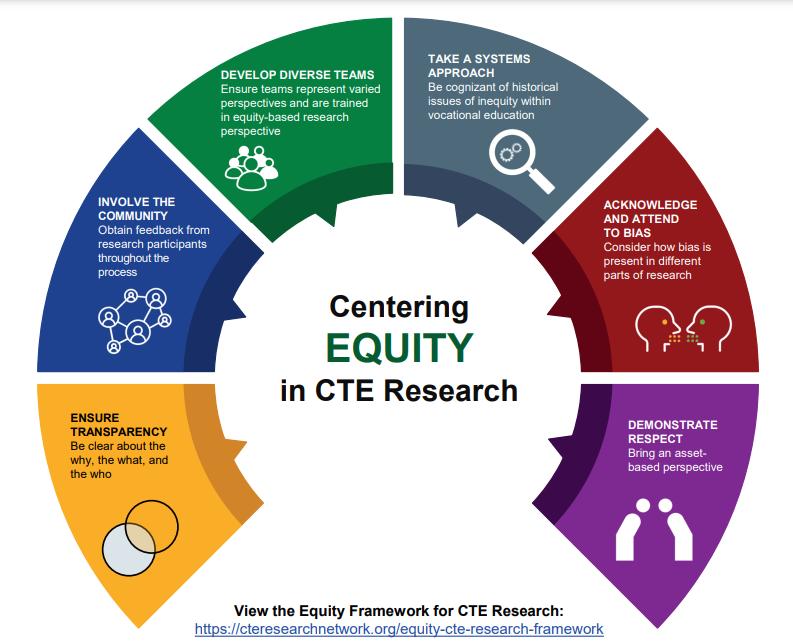
Learn about disseminating research with an equity lens in this guest post from the CTE Research Network Equity Working Group.

Given the difficulties that emerged with the global Covid pandemic, the European Commission funded the PREPARED project. The aim of the project is to develop an ethics and integrity framework to guide researchers working to prevent and address large-scale crises. Find meeting reports, recordings, and related posts.
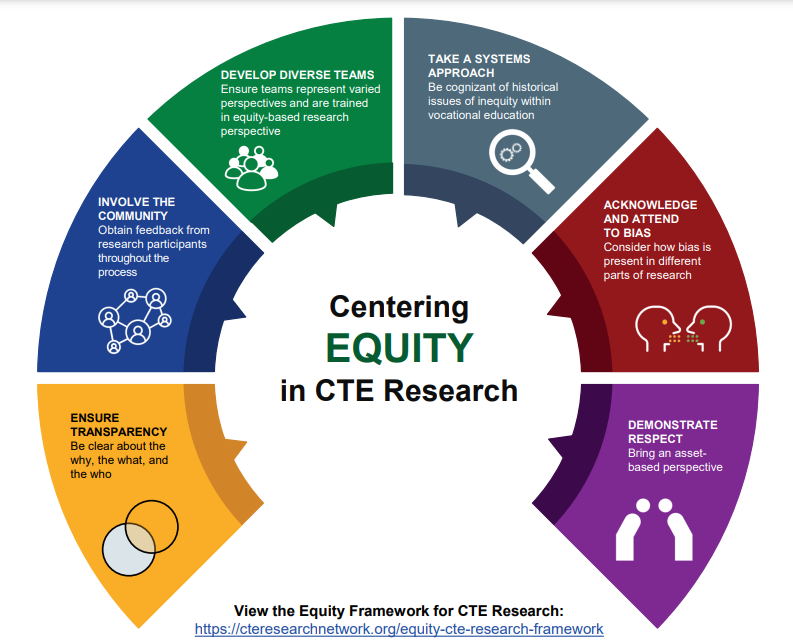
The Career and Technical Education (CTE) Equity Framework approach draws high-level insights from this body of work to inform equity in data analysis that can apply to groups of people who may face systemic barriers to CTE participation. Learn more in this two-part post!
The Career and Technical Education (CTE) Equity Framework approach draws high-level insights from this body of work to inform equity in data analysis that can apply to groups of people who may face systemic barriers to CTE participation. This is part 2, find the link to part 1 and previous posts about the Equity Framework.

Some of us feel that technology is everywhere, but that is not the case for everyone. Inequalities persist. What do these disparities mean for researchers?

Experienced global researchers Safary Wa-Mbaleka and Anna Cohen Miller discuss social justice and qualitative research.

In this roundtable discussion moderated by Janet Salmons, Research Community Manager for Sage Methodspace, Marc Spooner (Canada), Nicole Brown and Áine McAllister (UK), Natalia Reinoso Chavez (Colombia) and Consuelo Chapela (Mexico) discuss constraints on academic freedom and recommendations for researchers.

Why does identity matter in the methods classroom?
How to look at data collection using an Equity Framework for CTE Research, which provides principles and practices for researchers on equity questions, designs, and implications throughout the research process.

Find a multidisciplinary collection of scholarly and historical articles about Juneteenth.
The first Summer Institute in Computational Social Science held at a Historically Black College or University, returns to Howard University for its two-day pre-institute, Praxis to Power for graduate students, postdoctoral researchers, and beginning faculty who needed more time to practice computational methods.


The goals for this collaborative feminist research project were to bring together scholars who had critical methodological lenses, focusing our study through a collaborative feminist methodological lens to explore and address gender-based inequities in higher education institutions. Find the open-access book and toolkit the co-authors created.

Decolonisation is not a peripheral but central concern to social research for change. Learn more from Caroline Lenette, author of Participatory Action Research: Ethics and Decolonization.
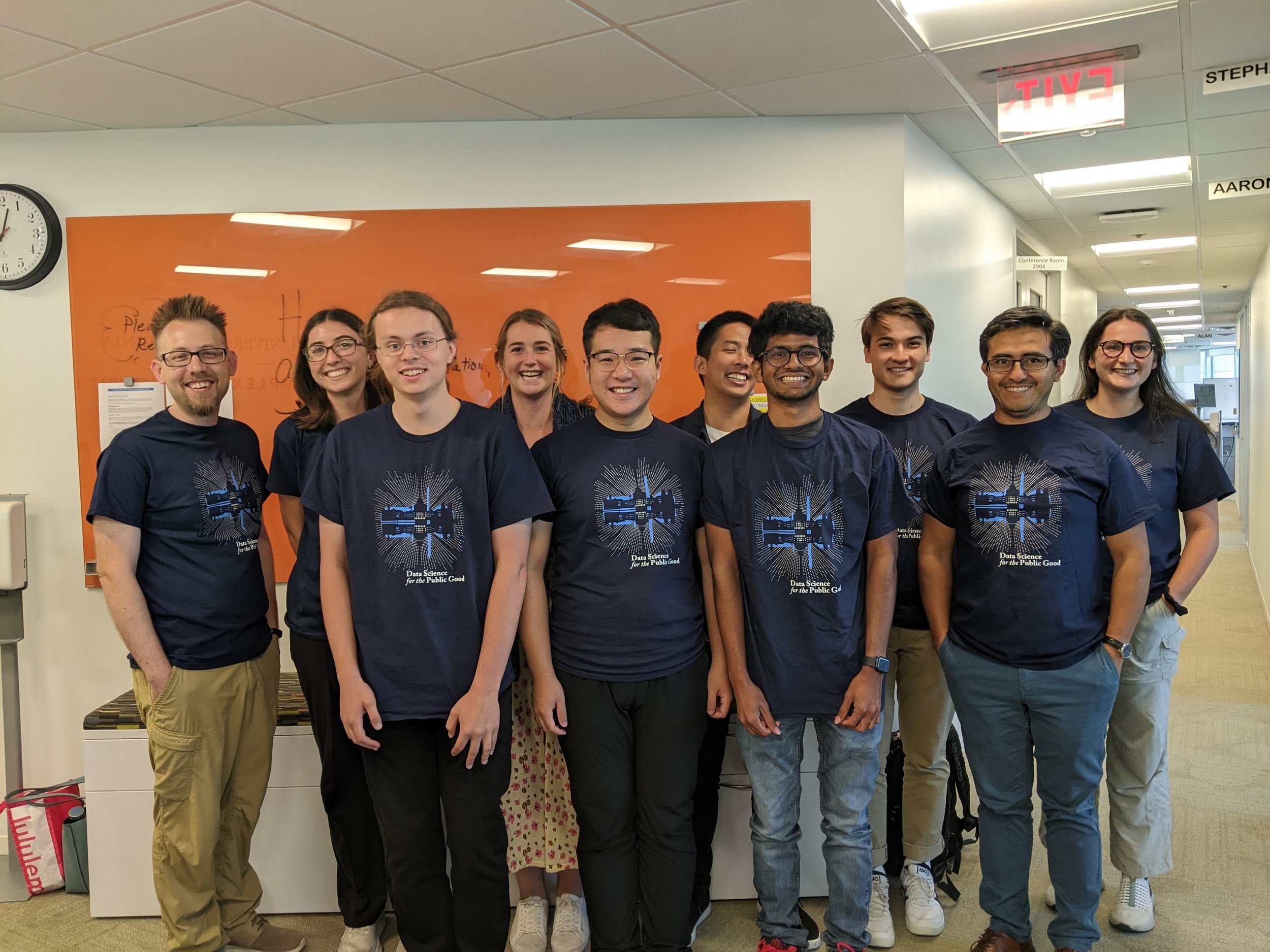
In this Methodspace interview Dr. Joel Thurston and Dr. Cesar Montalvo tell us about how data science can be used for social good, and how their program for young scholars is cultivating a next generation of data scientists.
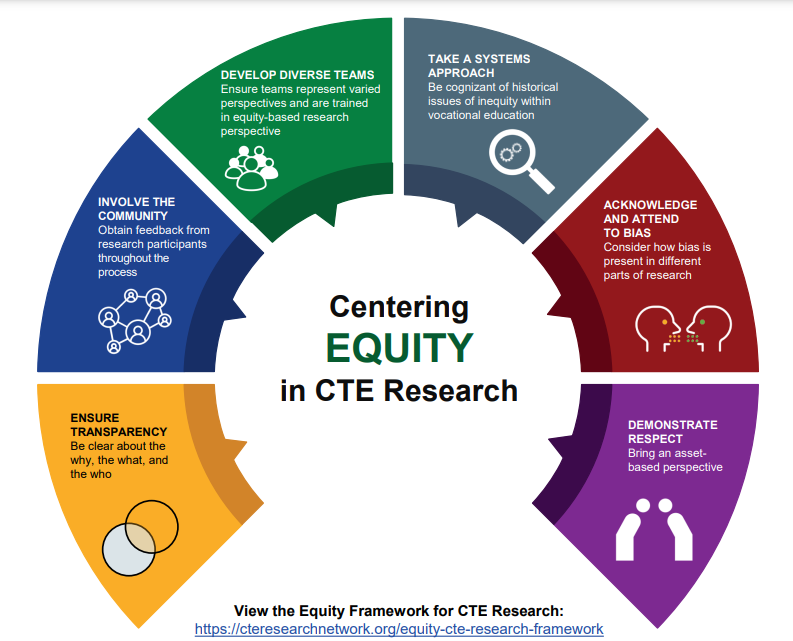
For researchers interested in incorporating equity into their work, it all starts at the very beginning with designing the study. Learn more in this guest post!

It seems more important than ever to know how and where to access materials on women’s/gender studies, since they may not be available as course readings or in libraries. Find links to some open-access archives.
COVID-19
The Covid-19 pandemic has created yet more sensitive research concerns. Read this post from Lahman and Brown for suggestions.

Find a collection of open-access articles about research in the COVID era.

The SAGE Ocean Blog started the year off with a piece on our recently published white paper on software tools for social science. Next week we’ll publish a piece from senior product manager Daniela Duca on the challenges of running social science experiments from home and what tools can help. The move to online teaching, learning, and research feature heavily in our top posts of 2020. Back in April Katie Metzler wrote about the challenge COVID-19 to student research projects and in May, Jason Radford provided some helpful recommendations for translating studies into an online format and recruiting virtual participants.

How are researchers changing their attitudes and approaches to respond to the repercussions of the Covid-19 pandemic? Learn about emerging methods that will be useful as researchers make greater use of online methods.

How can faculty in adjunct, contingent, and other non-tenure track positions make research progress now?

To try and cut through the tangles of complexity wrought by a global pandemic, I’ve been working with Peter Evans (and his multi-talented daughter, Hamsi Evans) to put together some picture ‘explainers’ to help frame thinking. These are helping communicate around the complex problems we’re all facing and how to use social science research to tackle these.

Mass media routinely portray information about COVID-19 deaths on logarithmic graphs. But do their readers understand them?

The World Council of Anthropological Associations (WCAA) has released, so far, two webinars relating to the effect of the spread of coronavirus on anthropology, and the effect (and potential effect) of anthropology on the coronavirus.

COVID-19 has affected research all over the world. With universities closing their campuses and governments issuing restrictions on social gatherings, behavioral research in the lab has ground to a halt. This situation is urgent. Ongoing studies have been disrupted and upcoming studies cannot begin until they are adapted to the new reality. At Volunteer Science, we’re helping researchers around the world navigate these changes. In this post, I’ll condense the most important recommendations we’re giving to researchers for translating their studies into an online format and recruiting virtual participants.

We will emerge from this pandemic with a better understanding of the world and an improved ability to teach others about it. For now, we need to be continuously analyzing the data and thinking about the lessons we can learn and apply. Here’s how you can join in!
At SAGE, we have been working with academics around improving and sharing teaching resources, especially for quantitative and computational methods in social sciences. Besides the mass remote and emergency teaching experiment happening right now, one of the positive things we can already identify and reuse to improve learning in methods courses is the glut of data visualizations. The absolute advantage here is that all these visualizations are produced (almost always) with the same raw input, telling a variety of different stories. What better way to explain the different uses and impact of visualizations and the use of different tools to students than examples based on the same data?

With a third of the world’s population currently in some form of lockdown to control the spread of the coronavirus, the imperative to better understand the nature of the outbreak could not be greater. In the latest edition of our monthly newsletter, we are giving a shout-out to the response of the computational social science community.

Around the world, higher education faculty and students have been grappling with the mammoth task of flipping from face-to-face teaching to online learning, practically overnight. As teaching faculty scramble to figure out how to use Zoom for online learning and the debate continues as to whether universities should cancel exams or switch to home-based open book or open Google exams, it’s becoming clear that the impact of COVID-19 on academic research could be just as profound as the impact on teaching. In-person lab experiments, face-to-face interviews, focus groups, fieldwork and other data collection may be impossible for much of 2020. Where possible, researchers will switch modes from face-to-face to virtual or telephone data collection, and where that’s not possible or desirable for practical or methodological reasons, university research offices and funders are issuing guidance for academics who need to delay their data collection or fieldwork.

As we all adjust to the new normal things can’t and won’t simply revert to a pre-COVID-19 world. Here in the UK we are only a few weeks into our new socially distant lives, blue Monday 2020 (January 18th) doesn’t somehow seem so depressing now. As Matt Reynolds of Wired has noted, ‘this is only the grim first act of the coronavirus crisis’. With this in mind, it is extremely important that we hear from experts right across the academic spectrum.
This white paper aims to contribute to the small but growing body of literature on best practice and tips for developing curricula and teaching social research methods and data science online by sharing experiences of the team who developed SAGE Campus.

Research communities across the globe are tirelessly collecting, analyzing and sharing data to help us understand and tackle the coronavirus pandemic. Here’s a collection of resources that visualize, map and demystify COVID-19 data.
Initiated by Deborah Lupton, this crowdsourced document provides necessary information and key resources for researchers struggling to conduct traditional face-to-face research under new circumstances. Check out: "Doing Fieldwork In A Pandemic."
The call for ‘social distancing’ in the wake of the coronavirus and its attendant COVID-19 disease has seen schools and universities around the world hurriedly attempting to turn their physical classrooms into virtual ones. While this may be best immediate reaction from an epidemiological point of view, from a pedagogic perspective, it has left instructors desperately trying to retrofit and reformat their courses while trying not to unduly disadvantage large numbers of their students. As a means of supporting those attempting to do their best under trying circumstances, SAGE Publishing has drawn from its large body of published and peer-reviewed research to offer the resources below -- free of charge -- to serve teachers and students around the world.
Find yourself teaching online? MethodSpace offers guidance and open access resources for e-learning & methods instruction.
Artificial Intelligence

Rapid advancements in Artificial Intelligence have instigated introspection across the data visualisation field. Though swathes of AI discourse are characterised by hype and gimmickry, if you cut through the noise, it’s clear we are facing a significant new era of technological progress. It’s time to evolve, or die, as the saying goes. But what should our relationship with AI be, particularly with generative AI? To what extent could our authentic craft be usefully augmented by an artificial one?
The new AI tools for conducting a literature review provide a remarkable resource both for professional researchers and students. They can rapidly scan millions of papers, provide digests and summaries in seconds, link cognate literature, and even draw maps of the literature showing how one piece relates to another.

Nesta launched the Centre for Collective Intelligence Design back in 2018 at an event jointly hosted by SAGE Publishing. The event featured talks, workshops and discussions exploring the development of collective intelligence as its own field, bridging the worlds of academia and industry together to create a new look domain. October 2019 saw the return of this one day event, jam packed with interactive sessions and an array of attendees from tech to the arts, data science to critical thinking and beyond.

With intelligent machines increasingly playing a role in our daily lives, there is a need to involve the public in conversations around the social implications of new technologies. A new public-private initiative to involve citizens in understanding the social implications of AI could unite society under the banner of safeguarding core human values whilst improving AI literacy.

If we were to do a text mining exercise on all the incredible discussions at last week’s conference 100+ Brilliant Women in AI & Ethics, education would beat all other topics by a mile. We talked about educating kids, we had teenagers share their thoughts on AI in poems and essays, and exchanged views on the nuances of teaching ethics in computing and working with large volumes of social data both for computer scientists and experts from other disciplines.

Transcribing can be a pain, and although recent progress in speech recognition software has helped, it remains a challenge. Speech recognition programs, do, however, raise ethical/consent issues: what if person-identifiable interview data is transcribed or read by someone who was not given the consent to do so? Furthermore, some conversational elements aren't transcribed well by pattern recognition programs. What, or who, is really transforming the transcription process, then? What's next for transcription?

AI is susceptible to misuse and has been found to reflect biases that exist in society. Fortunately, there are a number of organizations committed to addressing ethical questions in AI. We list our top 10.

At CogX, the Festival of AI and Emergent Technology, two icons appeared over and over across the King’s Cross location. The first was the logo for the festival itself, an icon of a brain with lobes made up of wires. The second was for the 2030 UN Sustainable Development Goals (SDGs), a partner of the festival. The SDG icon is a circle split into 17 differently colored segments, each representing one of the goals for 2030—aims like zero hunger and no poverty. The idea behind this partnership was to encourage participants of CogX—speakers, presenters, expo attendees—to think about how their products and innovations could be used to help achieve these SDGs.

Earlier this year Allen AI were announced as the winners of the NYU Coleridge Initiative’s Rich Context Competition. The goal of the competition was to automate the discovery of research datasets and the associated research methods and fields of social science research publications. You can find out about all the finalists and their work here.
We caught up with Allen AI to talk about the work and their involvement in this year’s competition.

Jeff Jonas, the world’s foremost expert on entity resolution and the inventor of the original NORA (Non-Obvious Relationship Awareness) technology developed for Las Vegas casinos, brings entity resolution to life. This unique technology (an IBM spin-out) is a purpose built real-time AI for delivering human quality entity resolution – determining “who is who” and “who is related to who” – without training, tuning or experts.

This book will be of particular value to social scientists interested in the political, economic and social dynamics of AI and data-driven technology. It will also be of interest to investigative and data journalists seeking to leverage computational tools.

A few days ago I made a skill for Amazon Alexa. I wrote a performative, conversational script in which a disobedient Alexa is raising questions on gender and makes a feminist critique of conversational technologies.


Nesta confirmed they are to launch a new Centre for Collective Intelligence Design this summer. The centre will seek to harness the potential of Artificial Intelligence (AI) with a particular focus on the combination of human and machine intelligence.
This year we need to honor Martin Luther King's legacy with both reflection and action! In this post, find links to lots of original source materials, including documents and recordings.