
an online community
with blogs, open Sage content,
and peer-to-peer knowledge sharing

Looking for some guidance on your literature review? Raymond Pun answers all your burning questions submitted during the Q&A of our latest webinar on ‘How to do a literature review’.

Upcoming webinars from October to November from our award winning How to Do Research and Get Published webinars.

Tips for getting started in peer review, including how to volunteer and become more findable as a reviewer.

Our recent foundational webinar guides early career researchers and graduate students through the essentials of academic writing.

Ready to get published? Check out our recent revised courses to help support you on your journey to publication.

Gen AI is becoming an integral part of research, raising concerns about research integrity, transparency, and trust. Explore the key takeaways in our most recent webinar in partnership with the European Alliance for Social Sciences and Humanities and leading experts in the field.

Many researchers see theory and philosophy as abstract and intimidating. In this interview, Peter Adams explains why they are essential to strong research, how they shape better questions and methods, and why their importance is growing in the age of AI.

If you’ve spent any time in the world of qualitative research, you know it is gloriously, wonderfully messy. You’re usually swimming in a sea of interview transcripts, half-annotated PDFs, and those "aha!" moments scribbled on sticky notes that inevitably fall behind your desk. For a long time, it felt like our quantitative colleagues had all the flashy tools while we were left with highlighters and hope. That’s exactly why I’m so excited about the 4th edition of Qualitative Data Analysis with NVivo.

Research methods and skills can make all the difference to student success, yet they are not always taught explicitly in the classroom. Sage Campus helps close that gap with scaffolded learning that builds confidence step by step, equipping learners with the practical skills they need to thrive in their studies and beyond.
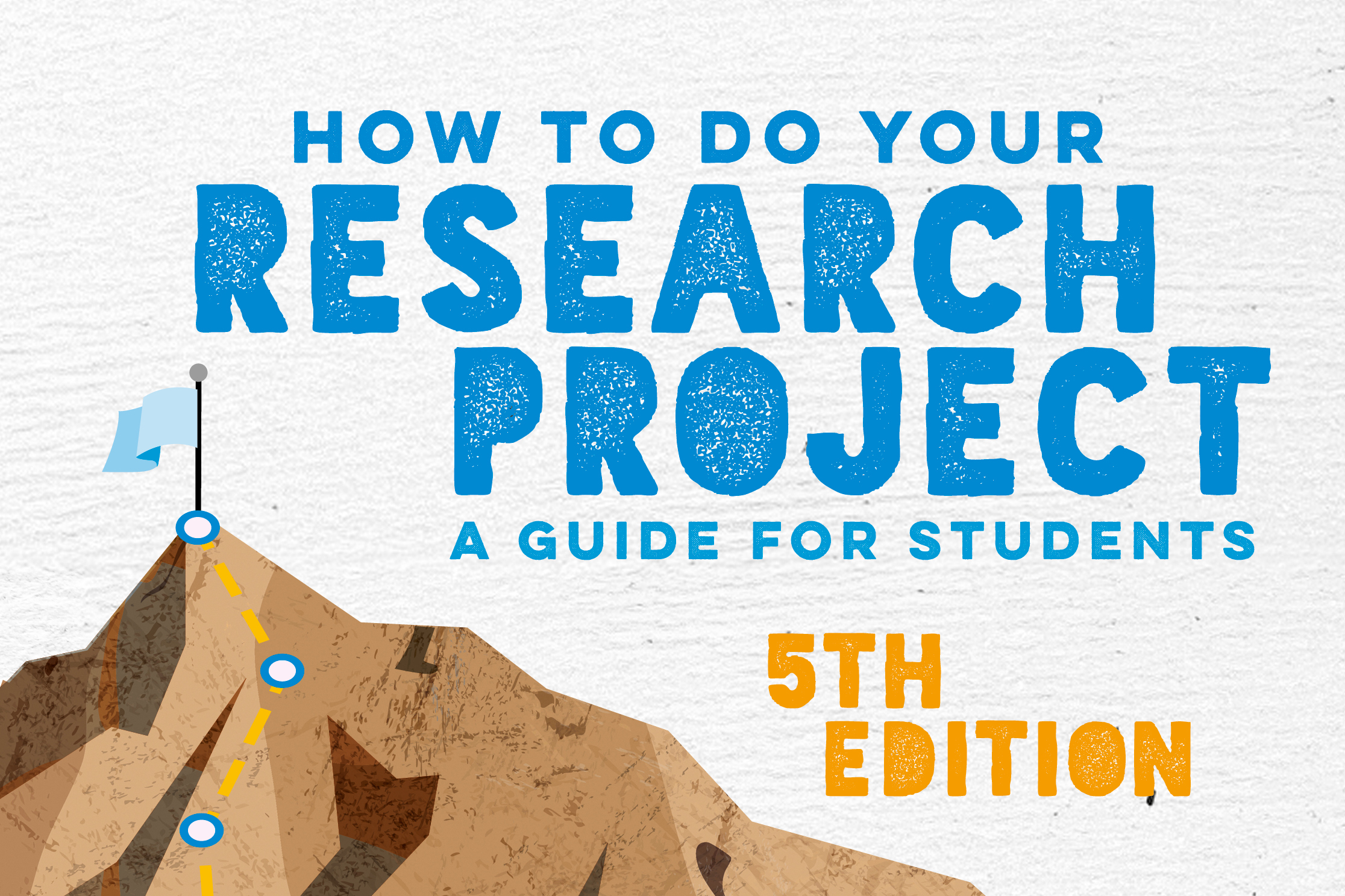
In this engaging guest post, Gary Thomas, author of the How to do Your Research Project (5th edition) provides students with accessible guidance on key points to consider when starting a dissertation.

Following up from the launch of Inclusive Research Methodologies, this week Sage Research Methods expands its resources with another timely launch - Sage Research Methods Video: Doing Survey Research, a new video collection supporting learners through every stage of one of the most widely used research methods.

As research methods continue to evolve, one thing is clear: researchers and students need practical support they can trust to conduct research responsibly. This month, Sage Research Methods expands its collection with two closely timed launches, each addressing a different but equally important aspect of the research process
Latest Posts
Quick Links

Conducting research with people often involves complex ethical questions that don’t always fit neatly into traditional research ethics frameworks.
In this webinar, designed for early career researchers and anyone conducting research involving human participants, our expert panel will explore the practical ethical considerations that arise throughout the research process. Through real-world examples and discussion, you'll learn how to identify and address ethical challenges, navigate issues such as consent, privacy and confidentiality, and demonstrate ethical practice in your research and publications. The session will also include an opportunity to ask questions and gain practical guidance for conducting and publishing high-quality, ethical social science research.
Discover digital tools and platforms that can streamline your research workflow, from literature reviews and data analysis to citation management and collaboration. This webinar is ideal for researchers looking to boost efficiency and impact. Attendees will be introduced to resources such as reference managers, data visualization software, and collaborative writing platforms, each designed to address specific challenges in the research process.
Get Involved
Contribute and:
share your ideas with a global audience
broaden your research methods professional network