
Find a post
Computational Social Science
This blog is the seventh, and penultimate post, in a follow-on to our 2021 “The future of computational social science is Black” series, about a Summer Institute in Computational Social Science organized by Howard University and Mathematica. It continues to bring the power of computational social science to the issues of systemic racism and inequality in America. This marks the third iteration of the successful SICSS model being hosted by a Historically Black College or University.
This blog post is the sixth of eight in a follow-on to our 2021 “The future of computational social science is Black” series, about a Summer Institute in Computational Social Science organized by Howard University and Mathematica. It continues to bring the power of computational social science to the issues of systemic racism and inequality in America. This marks the third iteration of the successful SICSS model being hosted by a Historically Black College or University.
Latanya Sweeney, scholar of technology science, Daniel Paul Professor of the Practice of Government and Technology at the Harvard Kennedy School and in the Harvard Faculty of Arts and Sciences, and director and founder of the Public Interest Tech Lab, delivered the keynote address for SICSS-Howard/Mathematica 2023.
This blog post is the fifth of eight in a follow-on to our 2021 “The future of computational social science is Black” series, about a Summer Institute in Computational Social Science organized by Howard University and Mathematica. It continues to bring the power of computational social science to the issues of systemic racism and inequality in America. This marks the third iteration of the successful SICSS model being hosted by a Historically Black College or University.
This blog post is the fourth of eight in a follow-on to our 2021 “The future of computational social science is Black” series, about a Summer Institute in Computational Social Science organized by Howard University and Mathematica. It continues to bring the power of computational social science to the issues of systemic racism and inequality in America. This marks the third iteration of the successful SICSS model being hosted by a Historically Black College or University.
This blog post is the third of eight in a follow-on to our 2021 “The future of computational social science is Black” series, about a Summer Institute in Computational Social Science organized by Howard University and Mathematica. It continues to bring the power of computational social science to the issues of systemic racism and inequality in America. This marks the third iteration of the successful SICSS model being hosted by a Historically Black College or University.
Jump to

Sage Campus
Online learning for skills and research methods. Our 200+ hours of online courses are self-paced and instructor-led, comprising an engaging mix of Sage-quality content, video, interactives, and formative assessments.
Methods Minute Newsletter
Sign up to be the first to know about the latest news and events
Statistics

As part of our ongoing commitment to delivering high-quality online learning, we are excited to announce a series of updates to our Sage Campus courses! These enhancements are designed to support academic success by providing practical resources and empowering learners at every stage of their academic journey.

Last month Sage hosted an exclusive webinar with the JASP founder, Eric-Jan Wagenmakers, and fellow JASP creator Johnny van Doorn. Based at the University of Amsterdam, these renowned experts introduced the world of teaching statistics using JASP.

Dr James Abdey discusses the importance of statistical literacy and applications of methodologies to assist researchers in understanding their data and presenting their results clearly, objectively, and with confidence.

Listen to this interview, and check out Rhys Jones’ latest book: Statistical Literacy: A Beginner's Guide.

Find tips to help you share your research and numerical findings.

Dr. Stephen Gorard defines and explains randomness in a research context.

Mentor in Residence Stephen Gorard explains how researchers can think about predicting results.
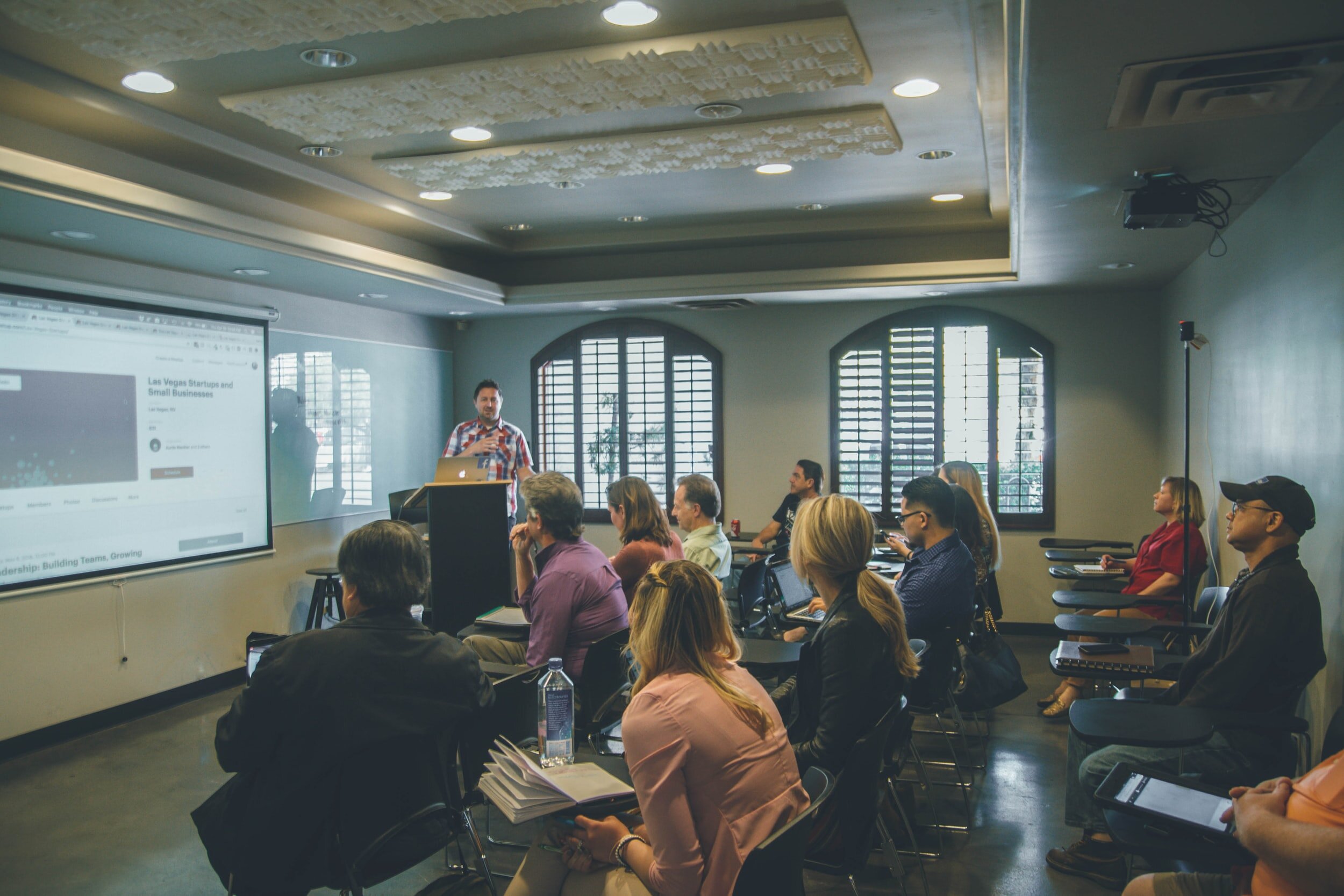
Instructional tips for teaching quantitative data analysis.

Tips for dealing with missing data from Dr. Stephen Gorard, author of How to Make Sense of Statistics.
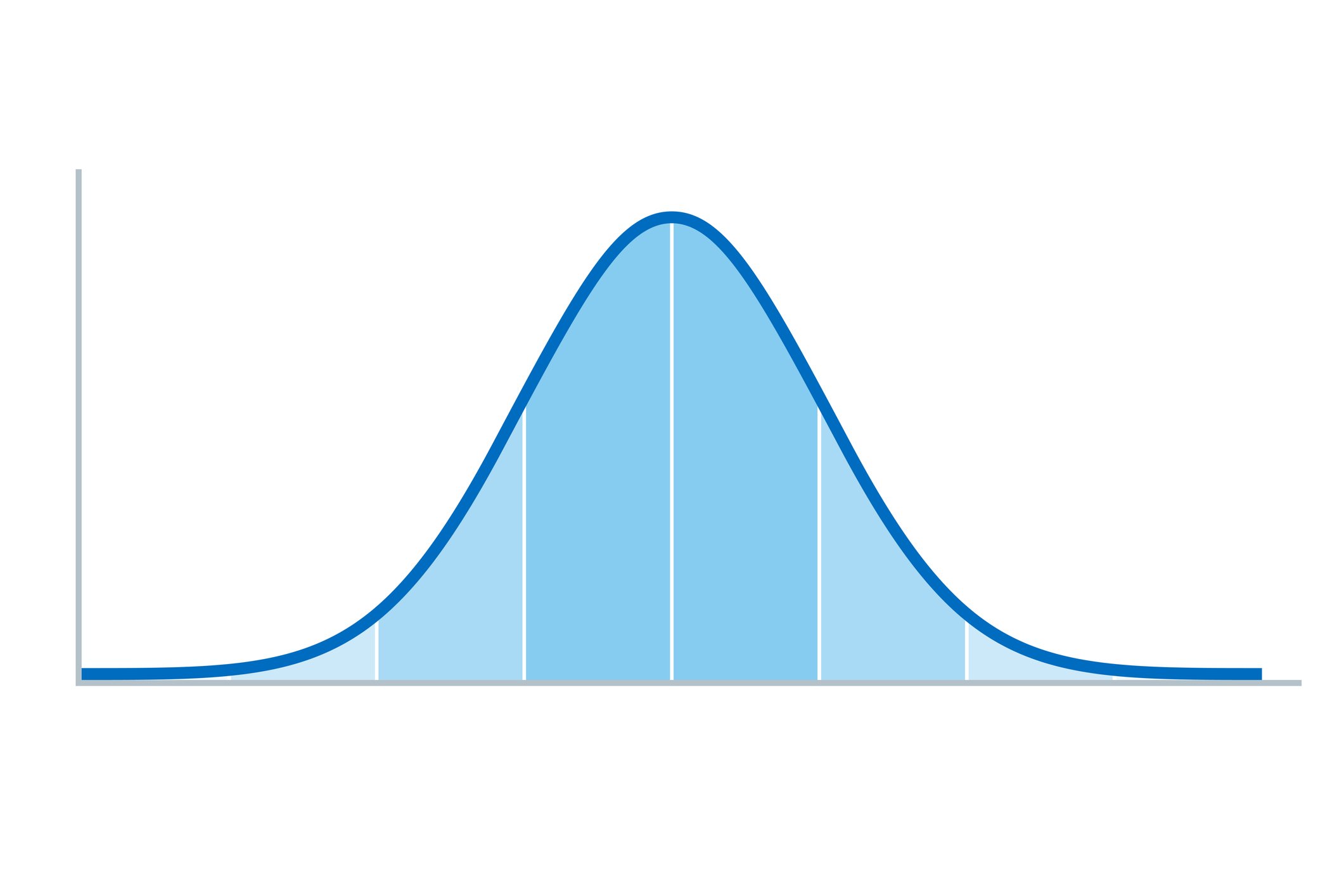
Learn more about standard deviation from a paper and presentation from Dr. Stephen Gorard.

How can you use Excel in your data analysis? Charlotte Brookfield explains!

Have you seen Dr. Gorard use card tricks to teach research methods? Watch this video!

Don’t have funds for data analysis software? Use Excel! Learn how in this interview with Charlotte Brookfield.


Professor Julie Scott Jones discusses lessons learned from teaching quantitative research methods online.

After 20 years of teaching research and quantitative methods to students in Political Science in the US, UK, and the EU, Dr. Loveless has developed a teaching method that has resulted in greater student success in statistics in each passing year

Mentor in Residence Stephen Gorard explains how to use population data.

Dr. Ann Sloan Devlin, author of The Research Experience, discusses first steps in data analysis for quantitative studies.

Want to use R for statistical analysis? These open-access resources might help!

Learn about R and find books about using this language and environment for statistical computing and graphics.


Throughout history humanity has had the urge to predict the future. The Greeks consulted the Delphi Oracle, whereas the Romans inspected sheep entrails and modern day sages poke around tea leaves to get the skinny on the future. This desire to predict the future has found its way into finance where modern day Haruspices pop up on television to make confident boasts about the future direction of the share du jour. All, but the very fortunate of these modern day prophets fail at their impossible task.
Tips with Diana


Simple but powerful, bar graphs are one of the most common charts used to compare categorical data, which are data that can be grouped into categories like race and sex. Here Diana gives some tips for making the perfect Bar graph.


Summer Institutes in Computational Social Science
This blog post is the eighth, and final, post in a follow-on to our 2021 “The future of computational social science is Black” series, about a Summer Institute in Computational Social Science organized by Howard University and Mathematica. It continues to bring the power of computational social science to the issues of systemic racism and inequality in America. This marks the third iteration of the successful SICSS model being hosted by a Historically Black College or University.
This blog is the seventh, and penultimate post, in a follow-on to our 2021 “The future of computational social science is Black” series, about a Summer Institute in Computational Social Science organized by Howard University and Mathematica. It continues to bring the power of computational social science to the issues of systemic racism and inequality in America. This marks the third iteration of the successful SICSS model being hosted by a Historically Black College or University.
This blog post is the sixth of eight in a follow-on to our 2021 “The future of computational social science is Black” series, about a Summer Institute in Computational Social Science organized by Howard University and Mathematica. It continues to bring the power of computational social science to the issues of systemic racism and inequality in America. This marks the third iteration of the successful SICSS model being hosted by a Historically Black College or University.
Latanya Sweeney, scholar of technology science, Daniel Paul Professor of the Practice of Government and Technology at the Harvard Kennedy School and in the Harvard Faculty of Arts and Sciences, and director and founder of the Public Interest Tech Lab, delivered the keynote address for SICSS-Howard/Mathematica 2023.
This blog post is the fifth of eight in a follow-on to our 2021 “The future of computational social science is Black” series, about a Summer Institute in Computational Social Science organized by Howard University and Mathematica. It continues to bring the power of computational social science to the issues of systemic racism and inequality in America. This marks the third iteration of the successful SICSS model being hosted by a Historically Black College or University.
This blog post is the fourth of eight in a follow-on to our 2021 “The future of computational social science is Black” series, about a Summer Institute in Computational Social Science organized by Howard University and Mathematica. It continues to bring the power of computational social science to the issues of systemic racism and inequality in America. This marks the third iteration of the successful SICSS model being hosted by a Historically Black College or University.
This blog post is the third of eight in a follow-on to our 2021 “The future of computational social science is Black” series, about a Summer Institute in Computational Social Science organized by Howard University and Mathematica. It continues to bring the power of computational social science to the issues of systemic racism and inequality in America. This marks the third iteration of the successful SICSS model being hosted by a Historically Black College or University.
This blog post is the second of eight in a follow-on to our 2021 “The future of computational social science is Black” series, about a Summer Institute in Computational Social Science organized by Howard University and Mathematica. It continues to bring the power of computational social science to the issues of systemic racism and inequality in America. This marks the third iteration of the successful SICSS model being hosted by a Historically Black College or University.
This blog post is the first of eight in a follow-on to our “The future of computational social science is Black” series, about a Summer Institute in Computational Social Science organized by Howard University and Mathematica. It continues to bring the power of computational social science to the issues of systemic racism and inequality in America. This marks the third iteration of the successful SICSS model being hosted by a Historically Black College or University.

Daniel Lobo shares four learnings from his unforgettable experience at SICSS-Howard/Mathematica 2022.

UDC Assistant Professor, Andrea Adams, talks about their experience during SICSS-Howard/Mathematica 2022.
This blog post is the eighth, and final, post in a follow-on to our 2021 “The future of computational social science is Black” series, about a Summer Institute in Computational Social Science organized by Howard University and Mathematica. It continues to bring the power of computational social science to the issues of systemic racism and inequality in America. This marks the third iteration of the successful SICSS model being hosted by a Historically Black College or University.