
Guest post by Beatriz Moya Figueroa
This post originally appeared on Epigeum blog here
Beatriz Figueroa, author of Avoiding Plagiarism, explores how plagiarism has evolved - from copy-and-paste to misrepresentation across text and GenAI. The new edition reflects this shift, with a modern rethink focused on ownership, attribution and trust.
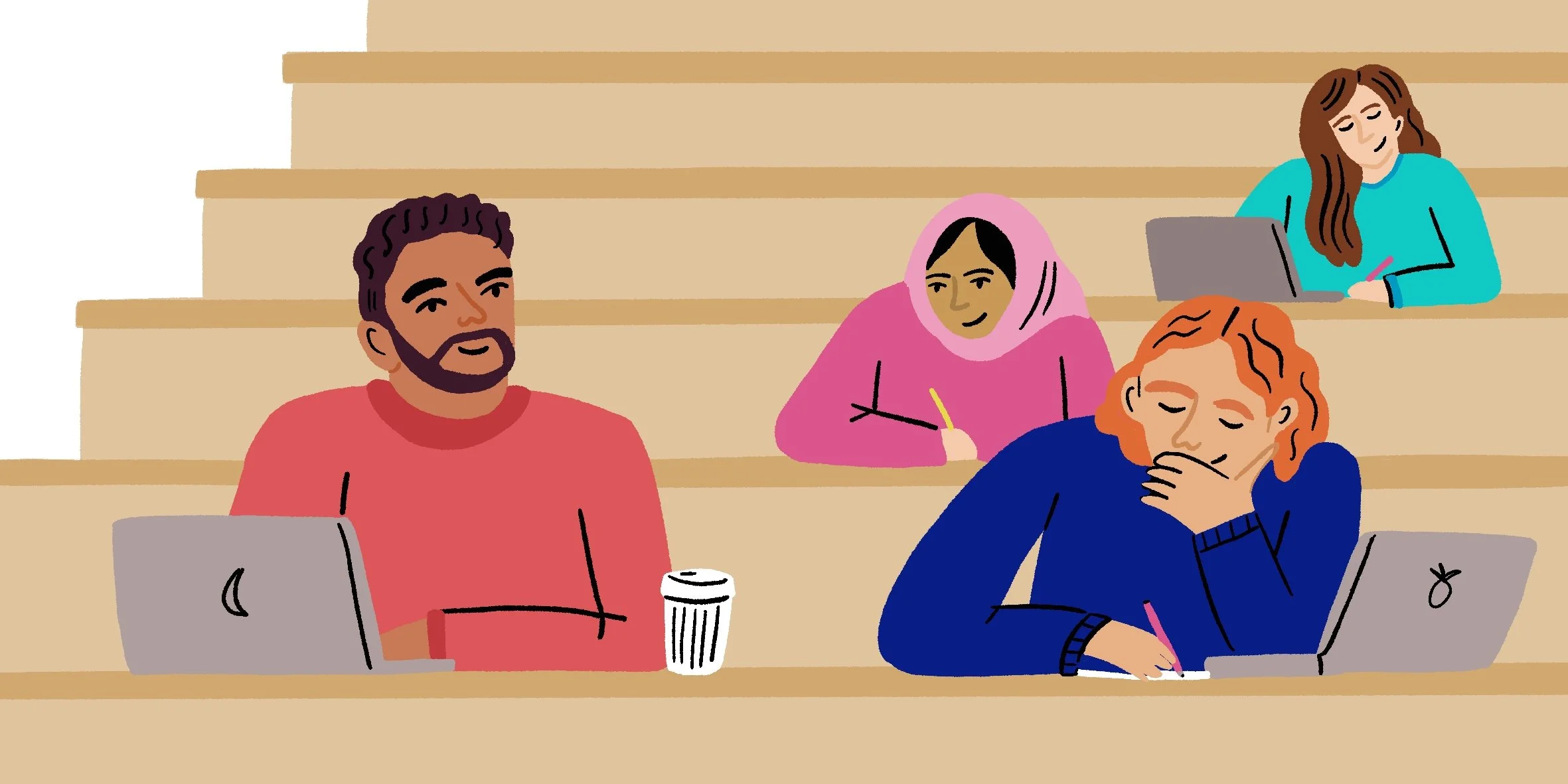
For most of the twentieth century, academic integrity could be summarised in a sentence: do your own work, and credit anyone whose work you used. The underlying values have not changed, even as the principle itself is being reinterpreted. Honesty, fairness, respect, and trust still sit at the centre of academic life. What has changed is the range of situations in which integrity is tested. Students today move between text, code, data, images, and AI-generated content, sometimes within a single assignment, navigating policies that are still being drafted as they work.
The most significant of these shifts is the rise of generative artificial intelligence (GenAI). GenAI can draft prose, write code, summarise readings, and produce convincing references that do not actually exist. The category of 'outsourcing', which was once reserved for essay mills, now covers contract cheating, file sharing from essay repositories, any unacknowledged delegation of intellectual work to a machine, including GenAI.
Plagiarism itself has expanded well beyond its original definition. The contemporary picture includes lack of citation, writing process errors such as patchwriting (reproducing a source's structure or phrasing too closely, often a developmental stage rather than a deliberate act), academic self-plagiarism (resubmitting one's own previous work without disclosure), copying, collusion.
The forms of plagiarism have widened, too. A friend's slide deck submitted as your own, a magazine article reformatted into an unattributed YouTube script, or an artist's work fed into an image generator and presented as original are all instances of plagiarism. The link between all these practices is not copying, but misrepresentation: presenting work as the product of one's own thinking when it is not.
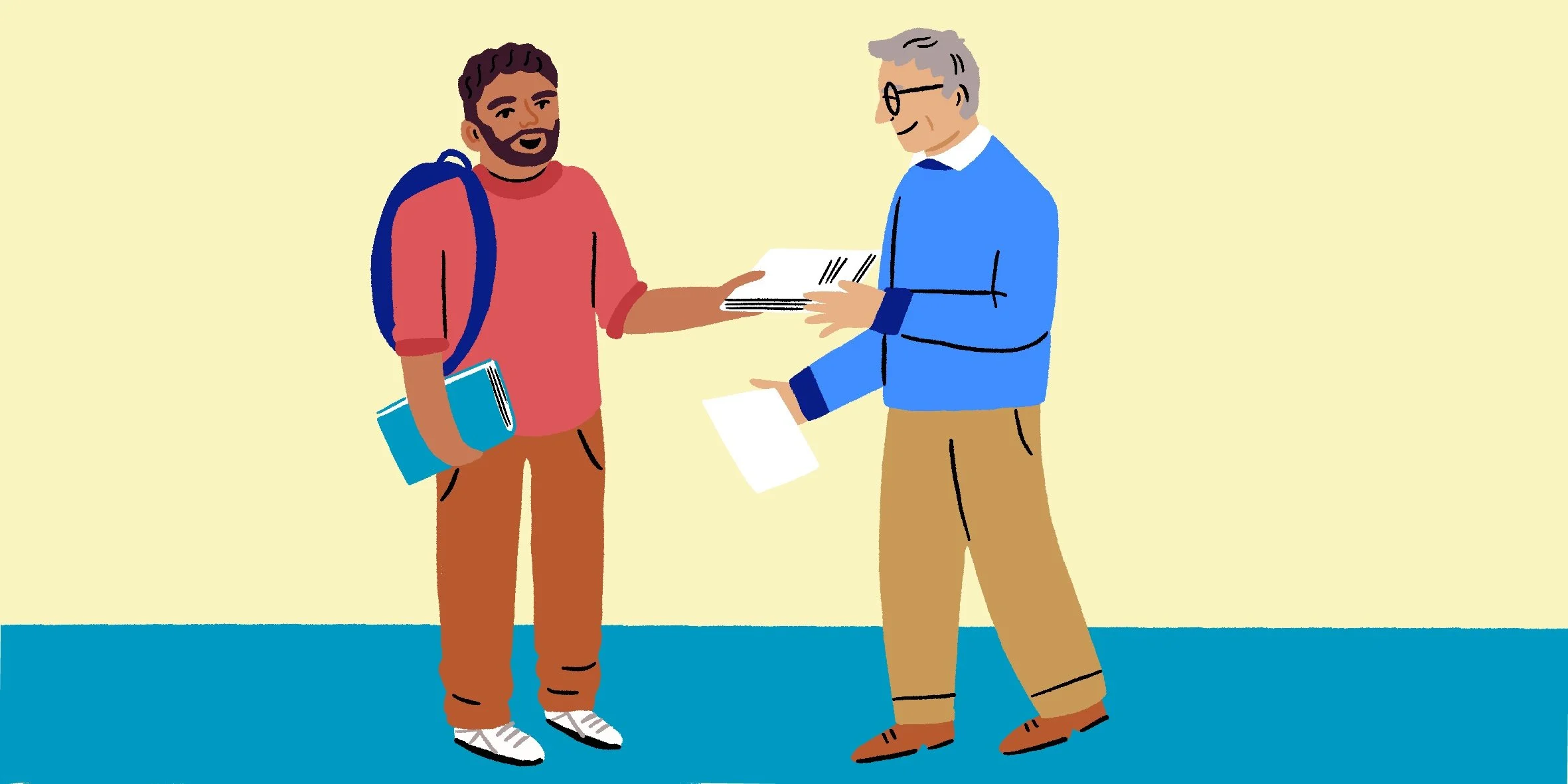
This is why teaching students to find their own academic voice still matters, perhaps more than ever. Voice is not a literary flourish. It is the visible trace of a student's own thinking on the page: the angle, the moments where one author is set against another, the careful balance between explaining and evaluating. Originality does not require inventing a new concept; it means making your own mark on familiar material.
Developed over time, voice becomes the long-term asset a student takes from higher education. Students who routinely outsource reading and summarising to AI risk missing the cognitive workout the assignment was designed to provide. The friction of engaging directly with a text is precisely what builds comprehension, retention and the ability to think critically.
That said, GenAI is not going anywhere, and treating it purely as a threat misses the point. Used well, it can serve as an academic sparring partner that tests clarity and helps expand vocabulary. The question is whether the thinking on the page is still recognisably the student's own. A workable framework for ensuring it rests on four commitments: explicit permission (tools are used only where instructors have authorised them); proper attribution; critical engagement (students remain responsible for evaluating AI outputs); and disclosure (prompts and tools declared in the final work).
Academic integrity has always been a commitment to honesty, fairness and trust. The tools change; the commitment does not. What the next few years will ask of us is not a new principle but a more deliberate practice of an old one — and the students learning to write, think, and navigate this moment with honesty are the ones who will define what integrity looks like on the other side.
Avoiding Plagiarism will be published in May 2026. Request a free trial or speak to a member of the team to unlock your access.