
Inclusive Methods for Research Across Ages and Abilities
The Methodspace focus for July 2022 was on researching the generations.
We explored ways to design and conduct online and face-to-face research with participants of all ages, from young children to the frail elderly. Since July was Disability Pride Month, we also explored the experiences of researchers and/or participants who have disabilities. The entire collection is featured here with posts that include original writings by SAGE authors and noted researchers, curated lists of open-access SAGE articles, and video interviews.

Find a collection of posts about research across ages and abilities, with lots of open-access examples.

Ann Phoenix, Julia Brannen, Corinne Squire discuss their book, Researching Family Narratives.

How can you conduct online research with children and youth? Here are some open-access examples.
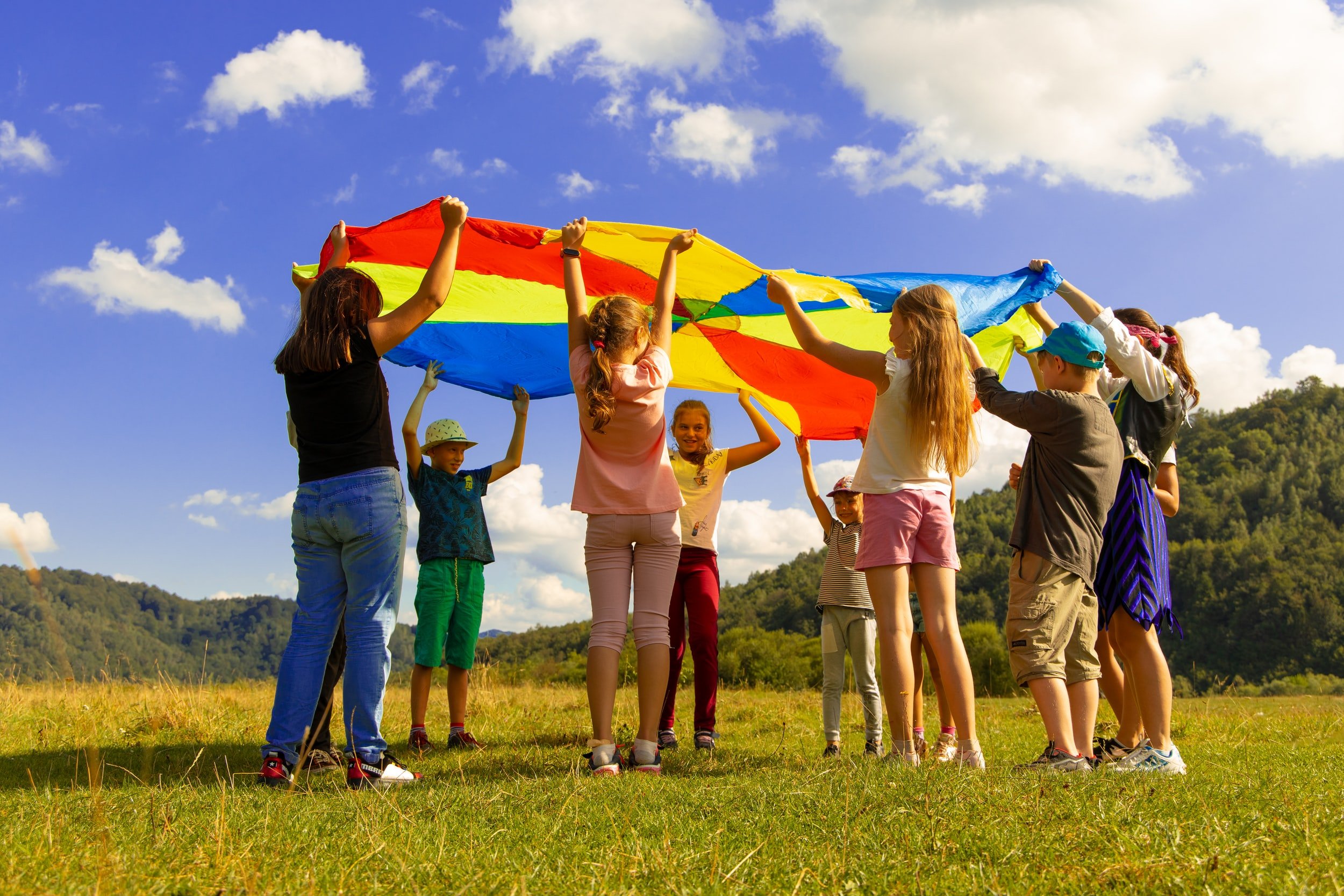
Dr. Maria Lahman offers practical advice for anyone interested in studying children, or engaging them as co-researchers.

What methods fit studies with older participants? This collection of open-access articles offers a range of options.

Louise Couceiro discusses lessons learned from an online study conducted with children.

Thinking about research with children and/or youth? Learn about different types of studies from this collection of articles.
This collection of open-access SAGE journal articles show a variety of creative and participatory methods used when studying youth.
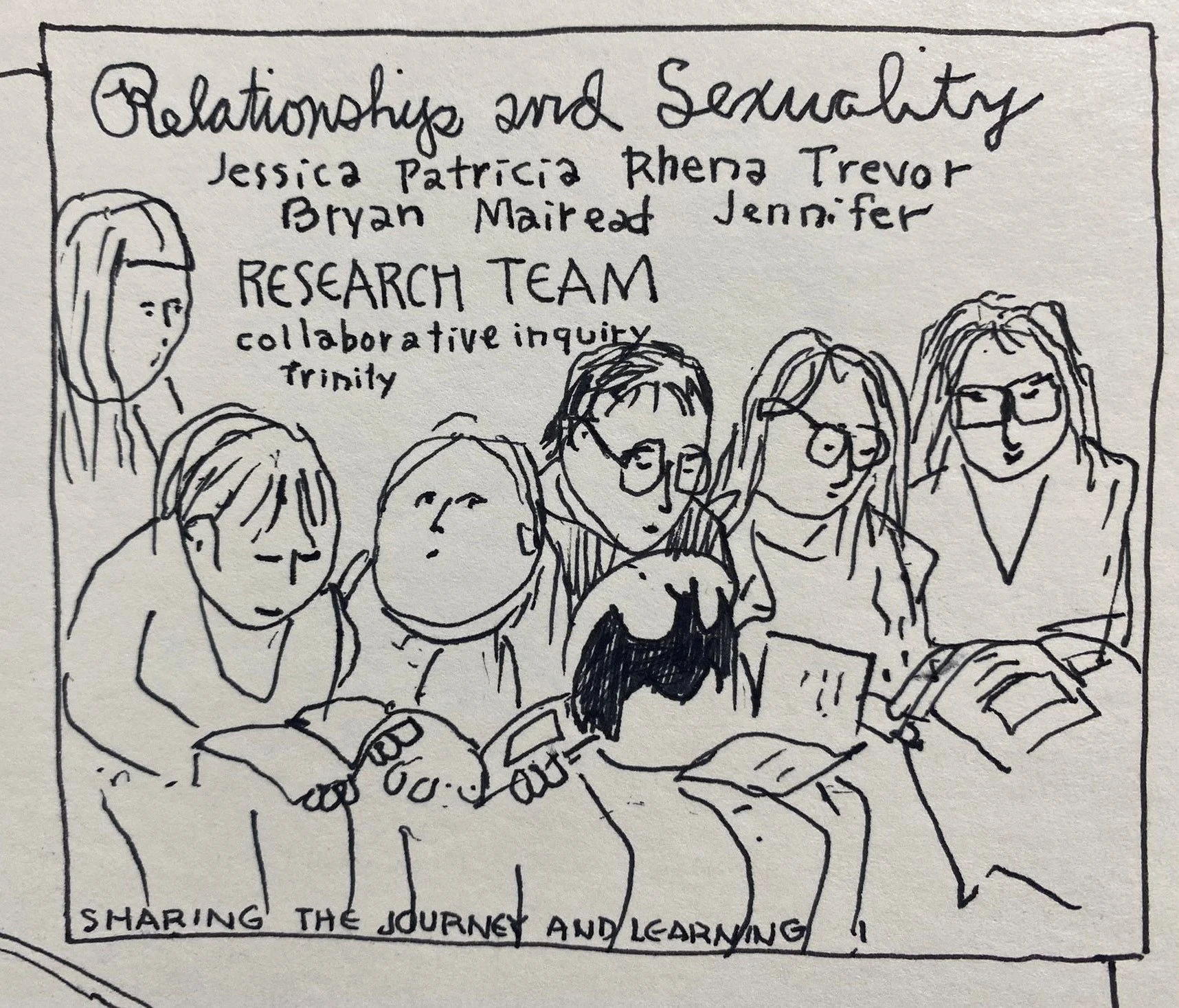
The focus of this post is the co-researchers’ journey of working together as a co-operative inquiry research team. They highlight ways in which research can be inclusive and accessible to co-inquirers with intellectual disabilities who are new to research

Dr. Majbritt Lyck-Bowen used the Universal Design for Learning (UDL) guidelines to develop an instructional module she shared in this post: The Relationship between Theory and Practice.

This collection of open-access articles offers examples of studies by researchers with intellectual disabilities as well as studies that explore new ways of thinking about research with participants who have intellectual disabilities.

Dr. Laura Berk discusses methodologies needed to study children and play.

In this interview Dr. Ewa Okla shares her experience and offers tips (and encouragement) to researchers with physical disabilities.
In this post Becky De Oliveira discusses lessons learned and practical tips based on her recent doctoral research with older research participants.

Emma Geen, Matthew Lariviere, and Helen Manchester discuss speculative storytelling workshops as a way to use creativity and collaboration to study attitudes towards ageing.

Every living person ages, yet ageism persists. This collection of open-access articles includes multidisciplinary studies of aging and ageism.

Michelle O’Reilly and Jessica Lester discuss their research with children in this Methodspace interview.

In July 2022 we will explore research with young and old participants. We will consider methodological implications for studies with children and youth, active older adults and frail elderly. We will look at issues for age-diverse participants, and at ways to engage them as co-researchers. Learn about this month’s focus, then follow along for original posts, video interviews, and relevant resources.

Researchers studying the experiences of youth can benefit from their perspectives. This post from high school students includes their tips for researchers.

Thinking about studying college students, or partnering with student co-researchers. you will find this post by Ari Burstein.

What are some ethical issues to consider when seeking consent and planning research with children? Find recommendations and resources in this post.

Louise Couceiro discusses how she pivoted from a face-to-face to an online approach for a study with children.
Jessica Lester and Michelle O’Reilly discuss ethics in sensitive research with children and youth, and offer practical tips.