

A new tool for collecting and analyzing homicide data: Homicide Media Tracker Part 2
SAGE Concept Grant winner Dr Nechama Brodie introduces the Homicide Media Tracker, a tool currently under development that will enable the collection, curation and analysis of crime data in media. Why is it needed? What kind of data will the tool be able to collect? And what insights can this data afford researchers?
Gary King makes all lectures for Quantitative Social Science Methods course free online
What is the field of statistical analysis? So begins Gary King’s first online course in the Harvard Government Dept graduate methods sequence. King, the Albert J. Weatherhead III University Professor at Harvard University -- one of 25 with Harvard's most distinguished faculty title -- and Director of the Institute for Quantitative Social Science has just recorded all his lectures and made them free to access online. The videos range in length from 30 minutes to an hour and half and you can watch them all on YouTube here.

FLUX Pedagogy: Transforming Teaching & Learning during Coronavirus
Dr. Ravitch suggests pedagogical thinking for online teaching and learning in the midst of a crisis.
Leveraging the potential of media data for the study of violent crime: Homicide Media Tracker Part 1
Media reports are a valuable source of crime data that can be used to supplement police and judicial records. Nechama Brodie explains the challenges and opportunities of working with this type of data, and introduces a new tool concept for the collection and analysis of homicide data.
Active Online Learning in Research Methods
Teaching online? Use these free resources for online research activities that will engage your students.
My journey into text mining
My journey into text mining started when the institute of Digital Humanities (DH) at the University of Leipzig invited students from other disciplines to take part in their introductory course. I was enrolled in a sociology degree at the time, and this component of data science was not part of the classic curriculum; however, I could explore other departments through course electives and the DH course sounded like the perfect fit.
August Focus & Mentor-in-Residence
This interview with Dr. Linda Bloomberg kicks off a month-long focus on Teaching and Learning Research.
From Stale to Stellar: The Truth Behind How to Create an Engaging Scientific Webinar
For the rest of the year (and possibly longer) academic and scientific conferences are either going to be cancelled or virtual. Regardless of whether you find this exciting or dreadful, Dr. Echo Rivera is here to help you create and deliver an awesome webinar/virtual presentation.
Research about Academic Careers in the Covid Era
New research and observations about academic careers and the Covid pandemic.
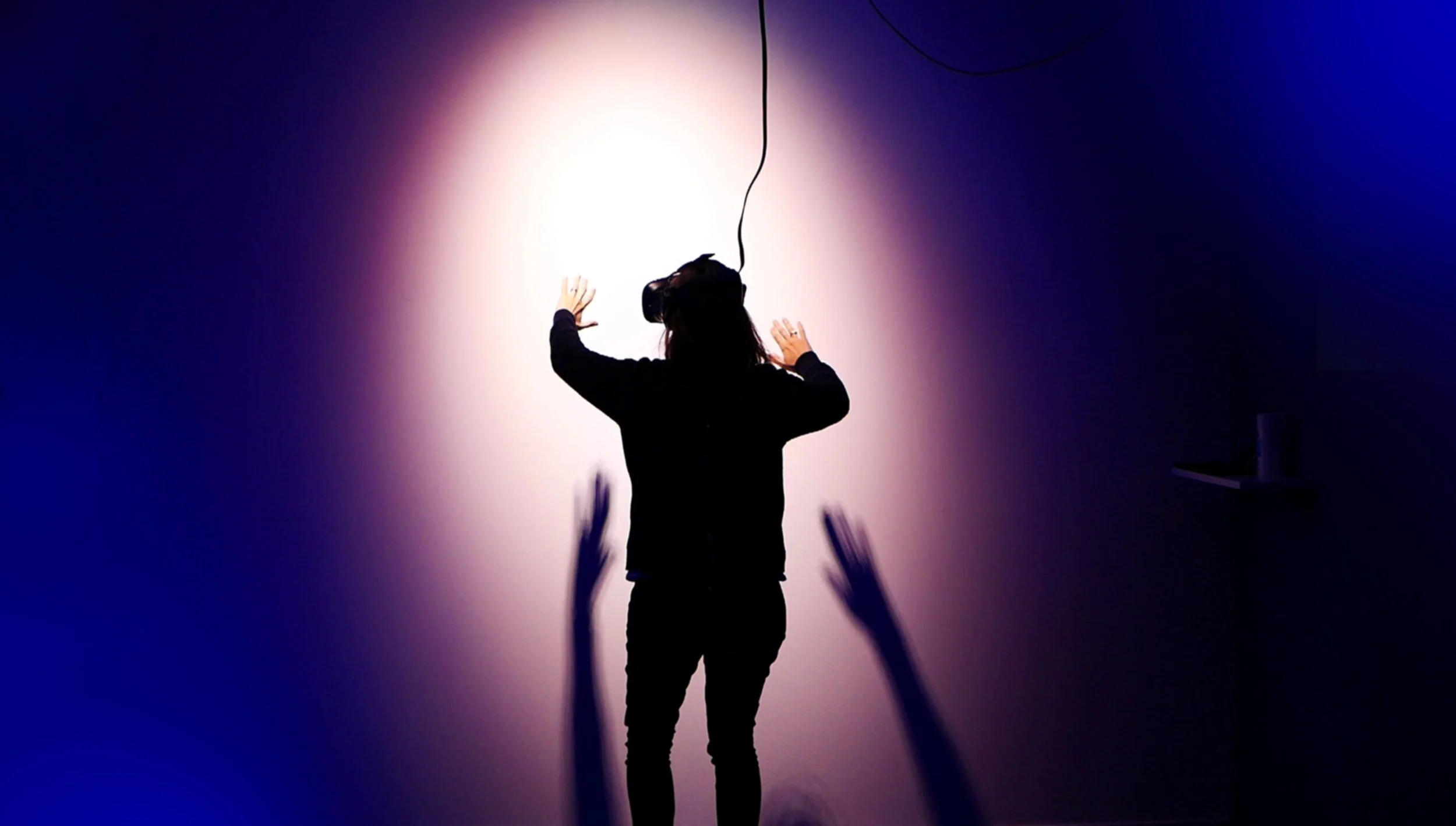
Virtual reality: The future of experimental research?
Virtual reality offers a realistic and controlled research environment, presenting an opportunity for the future of valid and reliable research in the social sciences. This blog introduces a new tool that enables real-time experience measurement in VR, under development with support from the SAGE Concept Grant.
How to embrace text analysis as a computational social scientist
In this guest blog, Alix Dumoulin and Regina Catipon cover how to embrace text analysis as a social scientist, the challenge cleaning text corpora brings in preprocessing, and introduce our upcoming tool, Texti, that will save researchers time.

Tips for Faculty Who Mentor Students Who are Working Professionals
Mentoring adult students? These tips might help!
Research in the time of coronavirus: SAGE Ocean newsletter
The latest edition of the SAGE Ocean newsletter shares tips and resources for moving your research online and making the shift to online teaching.


Five principles to get undergraduates involved in real-world data science projects
As a D-Lab and Data Science Education Program Fellow at the University of California, Berkeley in Spring 2020, I helped to ensure and enhance the quality of more than 40 Data Science Discovery Projects, working with community partners and undergraduate research assistants. The goal of these projects was to connect undergraduates with community impact groups, entrepreneurship ventures, and educational initiatives across UC Berkeley and provide them with hands-on and team-based research opportunities outside the classroom.

Teaching Peacemakers
In June and July 2020 MethodSpace focused on research-oriented careers including career purpose and goals, skills, as well as expected and unexpected transitions. Surely we need people who understand the dynamics of making peace and negotiating across conflicts?