
What math skills do researchers need?

Use the code MSPACEQ323 for a 20% discount on a purchase of the book, through September 2023.
Dr. Rhys Jones has worked with many researchers. In doing so, he found that researchers, whether doing qualitative or quantitative research, lack basic math skills needed to make design decisions or to evaluate existing research. He created a hands-on workbook to help those of us who need a refresher for the math we’ve forgotten, or who need to develop new skills: Essential Math Skills for Exploring Social Data. In this video interview Dr. Jones shows practical examples and offers suggestions that are relevant whether you are a methods professor, new researcher, or a student.
Professor Rhys Christopher Jones is the Associate Dean of Education at the Faculty of Health and Medical Sciences, at the University of Surrey. He was a Methodspace Mentor-in-Residence for September 2021. If you want to learn more, use the code MSPACEQ323 for a 20% discount on a purchase of the book, through September 2023.
A video interview with Dr. Rhys Jones.
More Methodspace posts on Data Analysis

If you’ve spent any time in the world of qualitative research, you know it is gloriously, wonderfully messy. You’re usually swimming in a sea of interview transcripts, half-annotated PDFs, and those "aha!" moments scribbled on sticky notes that inevitably fall behind your desk. For a long time, it felt like our quantitative colleagues had all the flashy tools while we were left with highlighters and hope. That’s exactly why I’m so excited about the 4th edition of Qualitative Data Analysis with NVivo.

Following up from the launch of Inclusive Research Methodologies, this week Sage Research Methods expands its resources with another timely launch - Sage Research Methods Video: Doing Survey Research, a new video collection supporting learners through every stage of one of the most widely used research methods.

A persistent challenge in qualitative research is synthesis. When you are working with large volumes of text (interviews, field reports, narrative accounts) across multiple countries and time periods, how do you move systematically from individual accounts to broader patterns? And how do you do so without flattening the complexity that makes qualitative data valuable in the first place?
This piece describes how causal mapping, combined with an AI-assisted coding workflow, helped address that challenge in a large, multi-country research and evaluation project and what researchers working with similarly complex qualitative datasets might take from the experience.

Rapid advancements in Artificial Intelligence have instigated introspection across the data visualisation field. Though swathes of AI discourse are characterised by hype and gimmickry, if you cut through the noise, it’s clear we are facing a significant new era of technological progress. It’s time to evolve, or die, as the saying goes. But what should our relationship with AI be, particularly with generative AI? To what extent could our authentic craft be usefully augmented by an artificial one?

We’re excited to share that Research Methods - part of the 'Research Skills Toolkit' - has been updated to reflect today’s research landscape. Discover brand new content on Gen AI, Data Literacy and more – designed to support researchers with the skills they need in their careers.

In this guest post, Sage author Carol Rivas explores the current AI capabilities for researching society and culture.

There are some perennial challenges to doing a research project that all of us have faced: formulating a research question, wrestling with paradigmatic assumptions, keeping on track of a multi-year project. The Essential Guide to Doing Your Research Project has been helping students (and supervisors) for more than 20 years. But in a post-pandemic world with the transformations being wrought by artificial intelligence, datafication, and the rise and fall of social media platforms, there are new challenges facing researchers.

As part of our ongoing commitment to delivering high-quality online learning, we are excited to announce a series of updates to our Sage Campus courses! These enhancements are designed to support academic success by providing practical resources and empowering learners at every stage of their academic journey.

Last month Sage hosted an exclusive webinar with the JASP founder, Eric-Jan Wagenmakers, and fellow JASP creator Johnny van Doorn. Based at the University of Amsterdam, these renowned experts introduced the world of teaching statistics using JASP.

Interviews with this year's winners of Sage's 10-year-impact award, Elo Satu and Helvi Kyngäs.

The editorial team for Sage Research Methods, Sage’s award-winning digital platform, invites proposals for its Datasets format. The successful submissions will be featured in the upcoming Inclusive Research Methodologies collection, launching in 2026.

Watch a free recording of the recent webinar on Data Collection & Analysis by Sage. Presented by Jessica Offenberger and Sean Scarisbrick, this enlightening session equips researchers with essential tools for effective data gathering, analysis, and interpretation.

Dr James Abdey discusses the importance of statistical literacy and applications of methodologies to assist researchers in understanding their data and presenting their results clearly, objectively, and with confidence.

Listen to this interview, and check out Rhys Jones’ latest book: Statistical Literacy: A Beginner's Guide.
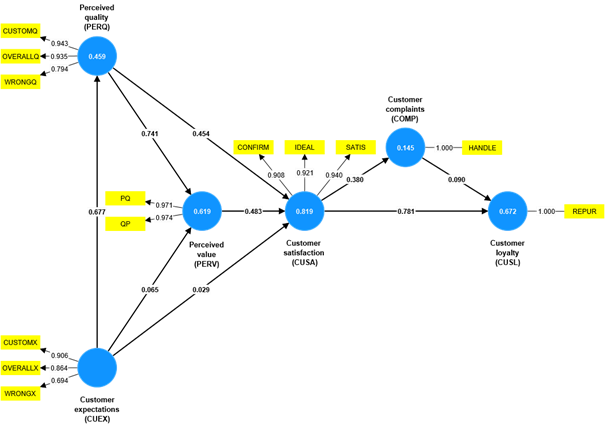
Learn about options available in the dynamic landscape of emerging methodological extensions in the PLS-SEM field is the necessary condition analysis (NCA).

Methods Film Fest!
We can read what they write, but what do researchers say? What are they thinking about, what are they exploring, what insights do they share about methodologies, methods, and approaches? In 2023 Methodspace produced 32 videos, and you can find them all in this post!

Christina Silver explains why and how to use qualitative data analysis software to manage and analyze your notes, literature, materials, and data. Sign up for her upcoming (free) symposium!


How do you find gems in a research project when the data is too thin for generalizations? In this post researchers discuss creative ways to learn from (and write about) the experience.

The focus for Q3 of 2023 was on analyzing and interpreting qualitative and quantitative data. Find all the posts, interviews, and resources here!


Mentor in Residence Stephen Gorard explains how researchers can think about predicting results.
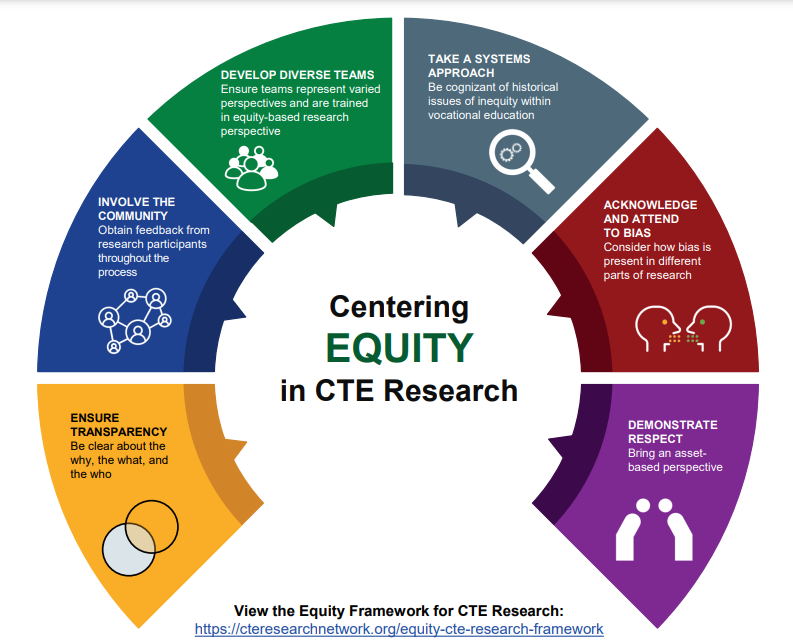
The Career and Technical Education (CTE) Equity Framework approach draws high-level insights from this body of work to inform equity in data analysis that can apply to groups of people who may face systemic barriers to CTE participation. Learn more in this two-part post!
The Career and Technical Education (CTE) Equity Framework approach draws high-level insights from this body of work to inform equity in data analysis that can apply to groups of people who may face systemic barriers to CTE participation. This is part 2, find the link to part 1 and previous posts about the Equity Framework.


In an era of rampant misinformation and disinformation, what research can you trust? Dr. Stephen Gorard offers guidance!

Learn how inductive and deductive styles of reasoning are used to interpret qualitative research findings.
Looking back at 2023, find all posts here!
We explored stages of a research project, from concept to publication. In each quarter we focused on one part of the process. In this recap for the year you will find original guest posts, interviews, curated collections of open-access resources, recordings from webinars or roundtable discussions, and instructional resources.